Blog

  • Dinner for Six in Kypseli

    The night didn’t need a big reason. It only needed a table for six — and a Greek family dinner in Kypseli we still talk about today. We found the perfect spot at Kypseli Kalamaki.

    Boy was it packed. The food – looked mouth watering on the menu. Have you ever looked at a menu and decided you are coming back because there were several meals you wanted to try? This was my first time ever feeling this way. And I am glad I did.

    First, let me tell you about Kypseli. It is a cozy neighborhood in Athens, and it sits just north of the city center. You can read more about this charming Athens neighborhood on Visit Greece’s official tourism site.

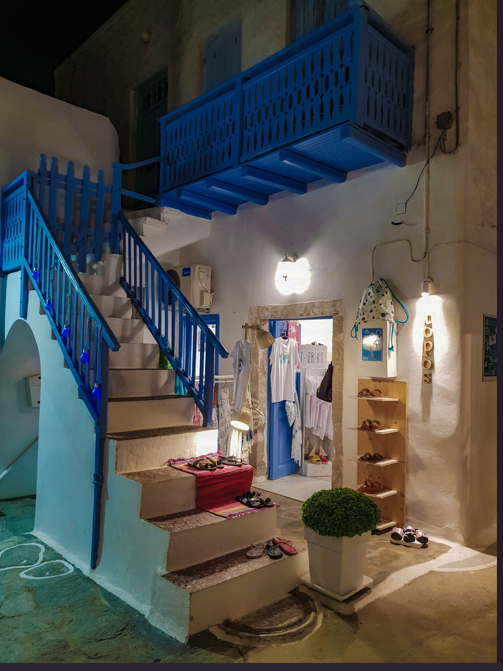
    Old buildings line the streets. Plants spill over the balconies. Neighbors call out to each other from across the road. The souvlaki shops here have fed families for many years.

    Because of all this, the whole place feels like a warm hug. So it was the perfect spot for our family night.

    We walked to the restaurant slowly, taking in the sights along the way. Little shops were still open. Bakeries filled the air with the smell of the day’s bread. Cafés buzzed with people finishing their coffee. Every corner seemed to have its own story to tell.

    By the time we reached the restaurant, we were more than ready to sit down. The tables outside were simple, with paper napkins and small baskets for bread. But somehow, that simple setup made everything feel even more welcoming.

    Around the Table for Our Greek Family Dinner

    Six of us sat down together. We pulled our chairs close. Nobody needed to look at the menu for long, because we all knew what we wanted:

    · My husband and I, sitting side by side.

    · Our daughter, watching everything with big, happy eyes. Excited to meet her grandmother and cousins for the first time.

    · Two brothers — my husband’s nephews. They are his sister’s sons, and they are full of energy! One is 30 years old, and the other is 32 years old. The older one of them, David, serves in the Greek army, so it was extra special to have him home with us.

    · Their cousin, who made their group a trio. She was excited to be around adults that were kind and made her feel welcomed to be in their presence.

    · Grandmother, my mother-in-law, the heart of our table. She is grandmother to the two brothers. She is also grandmother to our daughter. One woman, loving two branches of our family at once.

    Six people with happy hearts. One table that felt just right. That’s what made this Greek family dinner feel different from any other night out.

    Once we sat down, the two brothers were so excited to be next to their uncle. They leaned in and talked with him about everything. The banter between them tickled me.

    Then, they made sure to include everyone else too. They asked our daughter questions, about school and her friends. They laughed with their cousin. Because of them, the whole table joined in one big, happy conversation, full of laughter.

    The brothers had so much to share. One of them talked about his life in the Greek military, and how good it felt to be home for a few days. His brother teased him about missing home-cooked meals, and everyone laughed along with them.

    My husband is the native Greek speaker in our family, so he became our translator for the night. Because of him, everyone understood each other. Words moved easily between Greek and English, and the laughter never stopped.

    Even when a joke didn’t translate perfectly, it didn’t matter. Everyone still laughed together, because laughter needs no translation at all.

    Meanwhile, something extra special was happening. This was the first time Grandmother was meeting her only granddaughter. Out of six grandchildren, her one and only granddaughter.

    Our daughter is eight years old, and my mother-in-law’s face lit up the moment she saw her. She held her hand and smiled the whole night. It was a sweet moment for everyone at the table.

    Grandmother kept looking over at our daughter, like she couldn’t believe this moment was finally here. She asked her questions slowly, and my husband helped translate each answer. Every time our daughter smiled, Grandmother’s whole face lit up even more.

    It was the moment I knew I will remember for a long, long time.

    What We Ate at Our Greek Family Dinner

    Souvlaki over lemon rice, with a feta cheese…No Greek family dinner is complete without good food, and this one didn’t disappoint — that’s what my husband and I had. It was comforting and satisfying. It tasted like something he would have made.

    The souvlaki came off the grill still warm, with a smoky smell that made our mouths water before it even reached the table. The rice underneath soaked up all the juices, and the salad on the side was crisp and cool.

    Pizza for the brothers and their cousin — because nothing brings cousins together like a big pizza and lots of laughs.

    Honestly, this pizza was better than any pizza we have ever had back in the States. Every bite tasted fresh and full of flavor. We asked for a little bit of a thicker crust and it could be a little crispy, the cheese was melted just right.

    Fish with a salad for Grandmother — simple and lovely, just like her. It was the catch of the day, so it was as fresh as fish can get.

    You could tell the fish had been pulled from the water not long before it reached our table. My mother-in-law has lived long enough to know the difference at 93 years old. She ate slowly, savoring every bite, the way someone does when they truly love their food.

    The food that night was exceptional. Every dish felt like it was made with care, and you could taste the difference. The food made on two different continents tastes totally different, even when it is the same meal being prepared.

    Even the bread on our table was the day’s bread, baked fresh that late afternoon. We tore off pieces and passed the basket around, and it barely lasted before someone asked for more.

    What Kypseli Gave Us

    By now, the heat of the day had passed. The evening air felt soft and light.

    Because of this, families filled the streets and tables all around us. Husbands and wives sat together. The laugh of small children filled the air. Babies slept in their strollers nearby. The whole neighborhood felt alive with families just like ours.

    It was very new for me to see so many families out in the evening like this.Watching families all around us made me realize how central a Greek family dinner is to daily life here. Mothers, fathers, children, grandmothers, and grandfathers were all walking together, laughing and eating side by side.

    After dinner, children licked away at ice cream cones while their parents strolled along beside them. Back home, I’ve never seen evenings like this before—whole families out on the city streets, walking and laughing together. Here, it seemed to be just a normal part of the day and lives.

    I found myself watching these families longer than I meant to. There was something so simple and so beautiful about it. Nobody seemed to be in a rush to get home. Nobody seemed tied to a phone or a screen. They were just together, walking slowly, enjoying each other’s company under the evening sky.

    Dinner in Kypseli always feels slow and easy. Scooters buzz by. Neighbors chat on their balconies above us. None of it feels rushed. Instead, it all just adds to the warm feeling of the night.

    Grandmother told a story we had heard before. Still, we listened like it was brand new.

    Meanwhile, the brothers teased each other between bites of pizza. Our daughter soaked it all in — the noise, the love, and the comfort of being with family.

    Every so often, someone would raise a glass and thank the night for bringing us all together. Then the conversation would start right back up again, louder and happier than before.

    We stayed out until about 11:45 pm, soaking up every last minute. Then, finally, we made our way home, walking through the door around 12:30 am.

    Heading Home for the Night

    After dinner, we took a taxi over to my mother-in-law’s house, where she lives with her husband, my husband’s father. He is in his mid-nineties. This is also where the two brothers live, with their grandparents.

    It made sense once we thought about it — Grandmother cooks for the whole family, so having everyone close by keeps the family fed and together. It’s a simple kind of arrangement, but it works, and it clearly keeps this family close in every sense of the word.

    For the night, we stayed at a hotel called the President’s Hotel. It was the perfect place to rest after such a full evening.

    The room was quiet and comfortable, a nice contrast to the lively streets we had just left behind. We fell into bed with full stomachs and full hearts, still smiling about the night.

    Tomorrow, we will catch the train to Patra, ready for the next stop on our trip.

    But tonight, we will fall asleep thinking about the laughter, the good food, and the sweet moment between a grandmother and her granddaughter, meeting for the very first time.

    In the end, six of us shared this night. Three generations. One grandmother holding our whole family together.

    And now, one more special bond, between a grandmother and her granddaughter, just beginning. It was a table full of good food, shared slowly.

    If you’re just starting your Greek journey, check out our first lessons on SpeakGreek before diving into this story.

    That’s the whole story of our Greek family dinner in Kypseli.Simple. Warm. The kind of night I hope we get to have again and again.

  • Counting Your Money in Greece

    Before You Go… Consider This

    Planning a trip to Greece? Counting money and knowing a few key phrases before you leave the house will make your whole trip smoother

    Count your money before you go. Know what you plan to spend. Also, know what you expect to get back in change.

    It sounds simple. But it makes a real difference when you are in a foreign country and everything feels new.

    Furthermore, if you know a few Greek numbers and money phrases on top of that, you’ll feel confident every step of the way. For more about traveling in Greece, visit visitgreece.gr

    Greece uses the Euro.

    Greece is part of the European Union, so the currency is the Euro. Coins come in 1, 2, 5, 10, 20, and 50 cent denominations. Notes come in 5, 10, 20, 50, and 100 Euros.

    Most shops and restaurants in tourist areas accept credit cards. However, smaller markets and local vendors often prefer cash. That’s why it’s always smart to carry some euros with you, just in case.

    Getting Ready With Numbers and Phrases

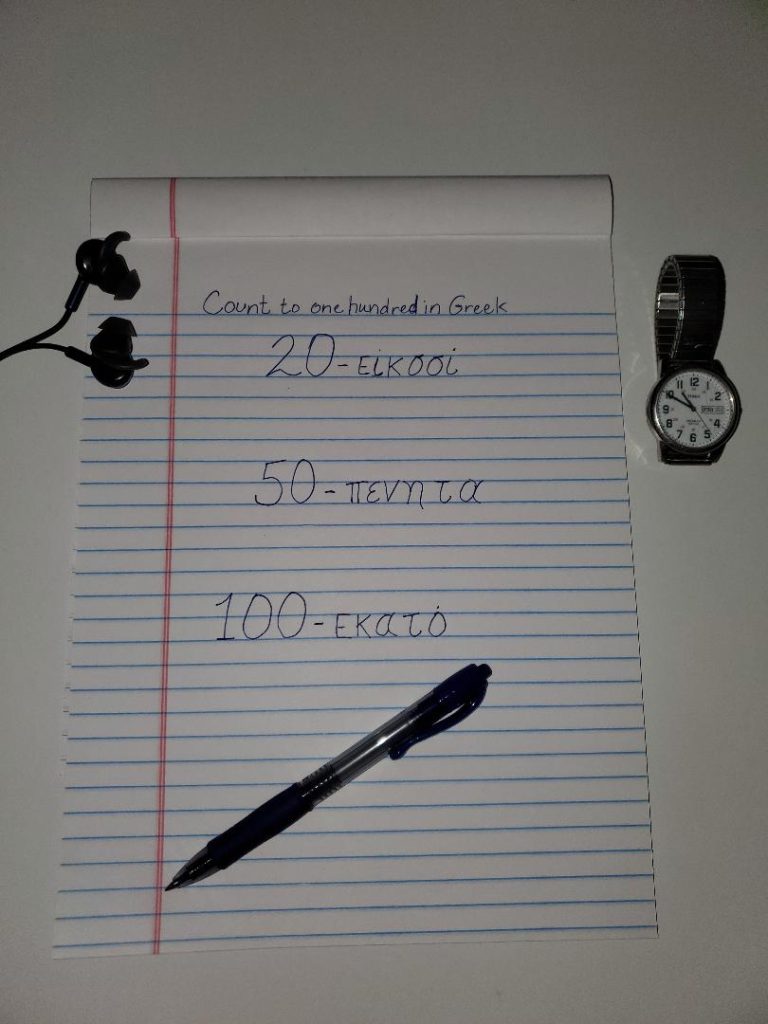
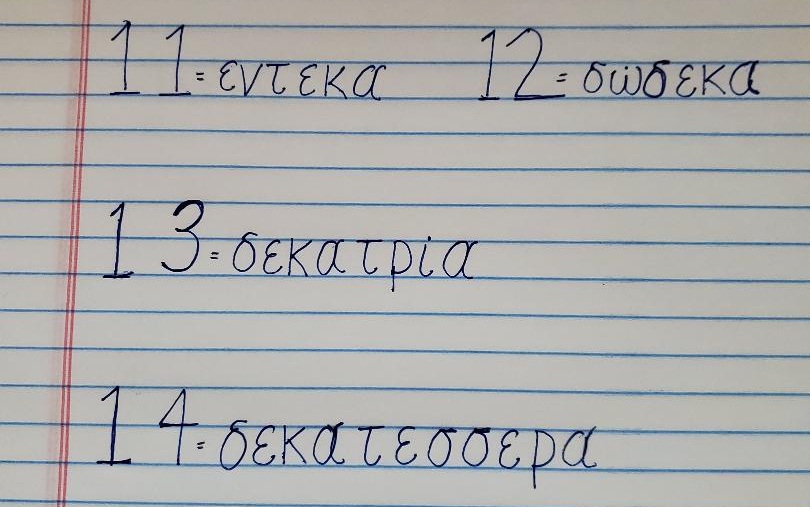
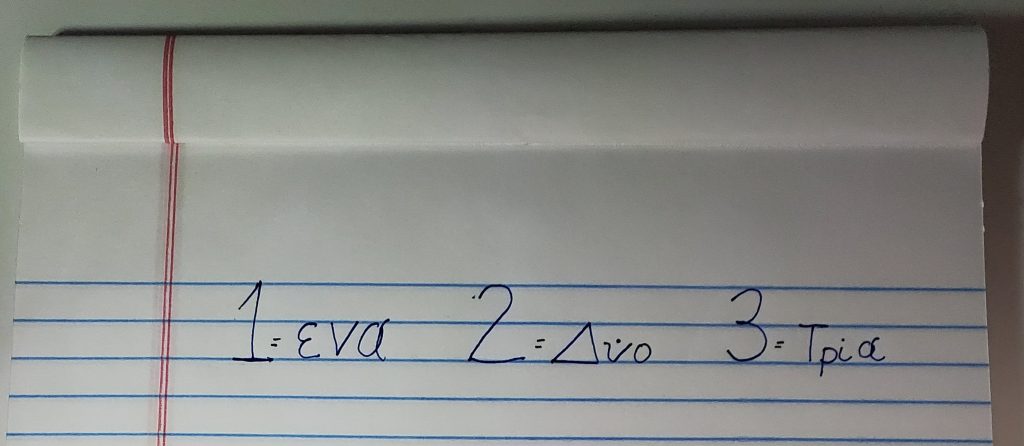
    Start with these numbers. First, they will help you understand prices and count your change. A quick note: this list isn’t the full set of Greek numbers, just the ones you’ll use most for shopping and paying. Want to learn every number in order? Catch the full lesson in our number posts.

    NumberGreekSounds Like
    1ΈναE-na
    2ΔύοDI-o
    3ΤρίαTRI-a
    4ΤέσσεραTES-se-ra
    5ΠέντεPEN-de
    6ΈξιEX-i
    7Εφτάef-TA
    8Οχτώoch-TO
    9Εννιάen-NiA
    10ΔέκαDE-ka
    11ΈντεκαEN-de-ka
    12ΔώδεκαDO-de-ka
    13Δεκατρίαde-ka-TRI-a
    14Δεκατέσσεραde-ka-TES-se-ra
    15Δεκαπέντεde-ka-PEN-de
    20ΕίκοσI-ko-si
    50Πενήνταpe-NIN-da
    100Εκατόe-ka-TO

    Money Phrases Worth Knowing

    These phrases will help you shop, eat and pay with confidence.

    GreekSounds LikeEnglish
    Πόσο κάνει;PO-so KA-ni?How much does it cost?
    Τον λογαριασμό παρακαλώ!Ton lo-ga-ria-SMO pa-ra-ka-LO!The bill please!
    Έχετε ρέστα;E-he-te RES-ta?Do you have change?
    Είναι πολύ ακριβόI-ne po-LI a-kri-VOThat is too expensive
    Μπορείτε να κάνετε έκπτωση;Bo-RI-te na KA-ne-te EK-pto-si?Can you give a discount?
    Θα πάρω αυτόTha PA-ro af-TOI will take this
    Πληρώνω με κάρταPli-RO-no me KAR-taI am paying by card
    Πληρώνω μετρητάPli-RO-no met-ri-TAI am paying cash

    Bargaining at the Market

    At outdoor markets in Greece, prices are not always fixed. In fact, a little friendly negotiation is perfectly normal and often expected.

    The key is to be warm and respectful about it. After all, Greeks appreciate a good-nature exchange far more than someone who seems demanding.

    Here is a simple approach that works well:

    First, ask the price — Poso kanei?

    Then smile and say Einai poly akrivo — That is too expensive.

    Next, ask politely — Borite na kanete ekptosi? — Can you give a discount?

    Often a vendor will meet you somewhere in the middle. And even if they don’t, the friendly exchange usually leaves both sides smiling.

    One important thing to remember: if a vendor agrees on a price, then always follow through and buy. Otherwise, walking away after agreeing on a price is considered rude in Greek culture.

    A Few Helpful Bargaining Tips

    Here are some practical things to keep in mind when shopping and dining in Greece.

    First, always check your change before you walk away. Mistakes happen, and it’s much easier to sort out right away than after you’ve left the shop.

    Also, when eating out, the bill does not come automatically in Greece. Your server will not bring it until you ask. Simply say Ton logariasmo parakalo and they will bring it right over.

    Staying Safe and Confident

    Tipping is appreciated but not required. In addition, rounding up the bill or leaving a small amount is a kind and common practice.

    At busy tourist markets, keep your cash in a secure pocket or bag. Like any popular destination, it’s wise to be aware of your surroundings.

    Finally, don’t worry about being perfect with the language. After all, most vendors in tourist areas speak some English. So, your effort to use even a few Greek words will be noticed and appreciated.

    Know Before You Go

    Now that you have the numbers and the phrases, you are ready.

    Count your money before you leave the house. Know your budget. Also, carry some cash. And use a few Greek phrases when you get there.

    That combination will make your market visits and dining experiences far more enjoyable and stress-free.

    Want to learn more? Read our post on Greek phrases that could save your life.

    And if you want to build on these basics, SpeakGreek will take you further. Real language for real life. One focused session at a time.

    Enter your email below to join the SpeakGreek waitlist!

    Subscribe

    * indicates required

    Follow us on TikTok, Threads, and Instagram @speakgreek for daily tips!
  • Say This in Greece and Watch What Happens

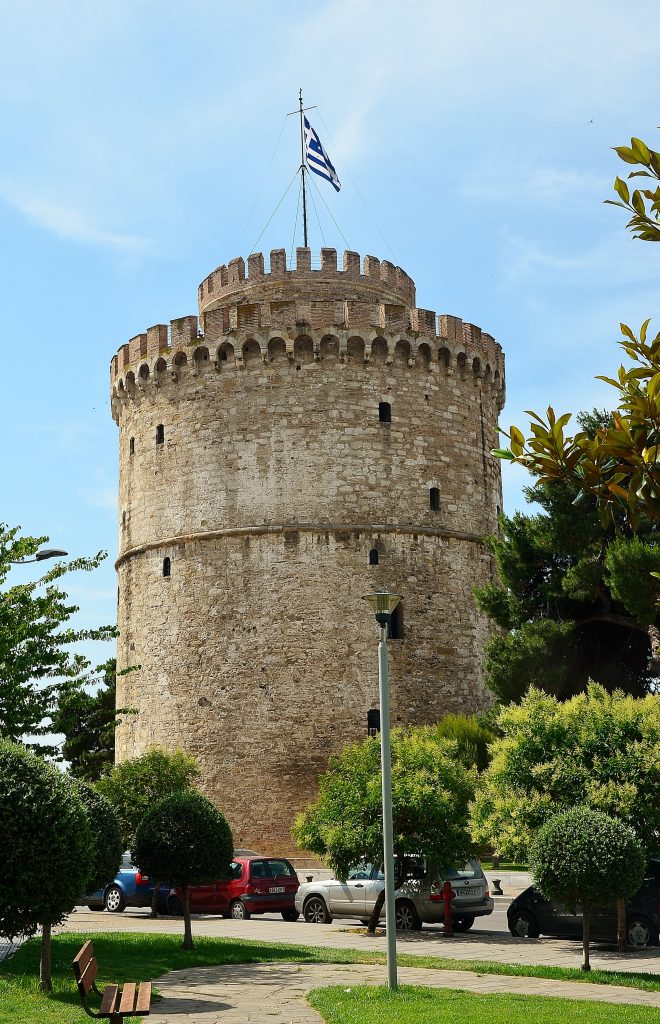
    Greek phrases street scene Mykonos

    The Day My Knees Were Knocking

    I will never forget it.

    I was visiting my husband’s family in Greece for the first time. The women were outside hanging clothes to dry in the warm Greek sun.

    My knees were knocking. But I walked over anyway.

    I took a deep breath and said:

    Yia sas!

    Then I said:

    To onomá mou eínai Saundra.

    The clapping started immediately. Then the laughing. Then everyone was talking at once.

    And someone called out — “Mana mou!

    My mother.

    Just two phrases. That is all it took. Two phrases and I went from a stranger to family.

    Then I did what felt natural. I started helping hang the laundry.

    That was the moment I understood something important. Speaking even a little Greek is not just about communication. It is about connection.

    The Two Phrases That Started It All

    Yia sas!

    Sounds like: YA-sas

    Means: Hello — to a group of people. Respectful and warm.

    To onomá mou eínai…

    Sounds like: To O-no-MA moo EE-ne…

    Means: My name is…

    Those two phrases changed everything that day.

    More Phrases Worth Trying

    Here are a few more that tend to get a warm reaction:

    GreekSounds LikeEnglish
    Καλημέρα!Ka-li-ME-ra!Good morning!
    Καλησπέρα!Ka-li-SPE-ra!Good evening!
    Καληνύχτα!Ka-li-NICH-ta!Good night!
    Ευχαριστώ!Ef-ha-ri-STO!Thank you!
    Παρακαλώ!Pa-ra-ka-LO!Please / You are welcome!
    Πώς είσαι;Pos I-se?How are you?
    Χαίρομαι!HE-ro-me!Nice to meet you!

    Why Trying Matters

    For more about traveling in Greece visit the Greek National Tourism Organisation at visitgreece.gr

    Most tourists never try.

    They walk through Greece speaking English and hoping someone understands. And many Greeks do speak English. But that is not the point.

    When you try — even just a little — Greeks notice. They see respect and effort. Most importantly they see someone who genuinely cares about their language and their culture.

    That changes the interaction.

    As a result you stop being just another visitor. Instead you become someone worth talking to.

    You Do Not Need to Be Perfect

    The pronunciation was far from perfect that day. My knees were knocking so hard I am surprised anyone understood me at all.

    But it did not matter.

    What mattered was that I tried.

    That is all it takes. One phrase. Said with a smile. And the response will surprise you.

    Start With Just Two

    You do not need to memorize a dictionary.

    Start with Yia sas and Efharisto. Hello and thank you. Use them at the market, a restaurant, or hotel.

    See what happens.

    Want to learn more? Read our post on Greek phrases that could save your life.

    That is exactly what SpeakGreek teaches. Real phrases for real moments. Simple enough to learn. Useful enough to matter.

    One focused session at a time.

    Ας αρχίσουμε. Let us begin.

    Join the waitlist and be the first to know when it drops!

    Plus get an exclusive early bird discount at launch!

    Enter your email below to join the SpeakGreek waitlist!

    Subscribe

    * indicates required

    Follow us on TikTok, Threads and Instagram @speakgreek for daily tips!

  • The One Greek Phrase That Could Save Your Life

    The Day I Went Shopping Alone

    I wanted to be bold.

    I went to the outdoor market by myself. Just me, my bags and the beautiful Greek sunshine. Everything went fine on the way there. Pleasant walk, no humidity and actually a very nice day.

    Oh but coming home!

    Just before I got to the hill my foot slipped right out from under me. Before I knew it I was going down. It did not hurt a lot. It was mostly embarrassing. Very embarrassing. My bags went up with the fruits and vegetables. I remember watching the produce as it was tossed into the air. Everything was flying — including my dress.

    It happened so fast. But it felt like slow motion.

    Once I landed I had one mission. Get my dress down and looking decent before anyone saw me.

    I collected myself and looked up. There was my husband coming over the top of the hill. He had been waiting for me the whole time.

    He gathered the fruits and vegetables rolling down the hill and checked me over to make sure I was not hurt. I told him I was okay. Just embarrassed.

    That is when my husband started smiling. Then he doubled over laughing — redder than a beet with tears streaming down his face.

    Something caught his attention making him look away for just a moment. When he looked back — there was produce rolling downhill toward him. That is when he knew I had fallen.

    Once he caught his breath he looked at me and said:

    “You should have yelled — Voithia!”

    The One Word That Should Have Been On My Lips

    Voithia!

    It means Help! It sounds like Vo-EE-thia.

    I had walked those hills and gone to market alone in a foreign country. Yet I never knew that one word.

    We never thought to learn it before the trip. But believe me — we have never forgotten it since.

    A Few More Phrases Worth Knowing

    After that trip we picked up some key phrases.

    The first was I need a doctor — Χρειάζομαι γιατρό. It sounds like Khree-YAH-zoh-meh yah-TRO. That one came in useful when pink eye paid me a visit.

    Then things got serious.

    Later that same visit I needed words that really mattered. Not for laughs. For someone I loved.

    Χρειάζεται νοσοκομείο. Έχει καρδιακό πρόβλημα.

    Sounds like: Khree-A-ze-te no-so-ko-MI-o. E-chi kar-di-a-KO PRO-vli-ma.

    Translation: He needs a hospital. He has a cardiac problem.

    That moment taught me something I carry to this day. A few words in the right language can make all the difference when it counts most.

    Phrases That Could Save Your Life

    Before your next trip to Greece learn these:

    For more about traveling in Greece visit the Greek National Tourism Organization at visitgreece.gr

    GreekSounds LikeEnglish
    Βοήθεια!Vo-EE-thia!Help!
    Χρειάζομαι γιατρό!Khree-YAH-zoh-meh yah-TRO!I need a doctor!
    Καλέστε ασθενοφόρο!Ka-LES-te as-the-no-FO-ro!Call an ambulance!
    Χρειάζεται νοσοκομείο!Khree-A-ze-te no-so-ko-MI-o!He/She needs a hospital!
    Έχει καρδιακό πρόβλημα!E-chi kar-di-a-KO PRO-vli-ma!He/She has a cardiac problem!
    Έχει πάθει εγκεφαλικό!E-chi PA-thi en-ke-fa-li-KO!He/She has had a stroke!
    Δεν αισθάνεται καλά!Den es-THA-ne-te ka-LA!He/She is not feeling well!
    Έχω πονοκέφαλοE-cho po-no-KE-fa-loI have a headache
    Είμαι χαμένος/η!I-me ha-ME-nos/ni!I am lost!
    Καλέστε την αστυνομία!Ka-LES-te tin as-ti-no-MI-a!Call the police!

    Basic Body Parts Worth Knowing

    Point to where it hurts using these words:

    GreekEnglish
    Κεφάλι — Ke-FA-liHead
    Στομάχι — Sto-MA-chiStomach
    Καρδιά — Kar-diAHeart
    Χέρι — CHE-riArm / Hand
    Πόδι — PO-diLeg / Foot
    Πλάτη — PLA-tiBack
    Στήθος — STI-thosChest

    You Do Not Need to Be Fluent

    You just need the right words at the right time.

    A few phrases learned well can mean the difference between panic and calm in an emergency.

    Also keep in mind that instead of some places like America whose emergency number is “911”. In Greece, you would dial “100”.

    Want to learn more? Read our post on why learning Greek first makes every language easier.

    That is what SpeakGreek was built for. Real language for real life. The words that matter most taught simply and clearly.

    One focused session at a time.

    Ας αρχίσουμε. Let us begin.

    Join the waitlist and be the first to know when it drops!

    Plus get an exclusive early bird discount at launch!

    Enter your email below to join the SpeakGreek waitlist!

    Subscribe

    * indicates required

    Follow us on TikTok, Threads and Instagram @speakgreek for daily tips!
  • Learn Greek First and Spanish Will Feel Like a Walk in the Park

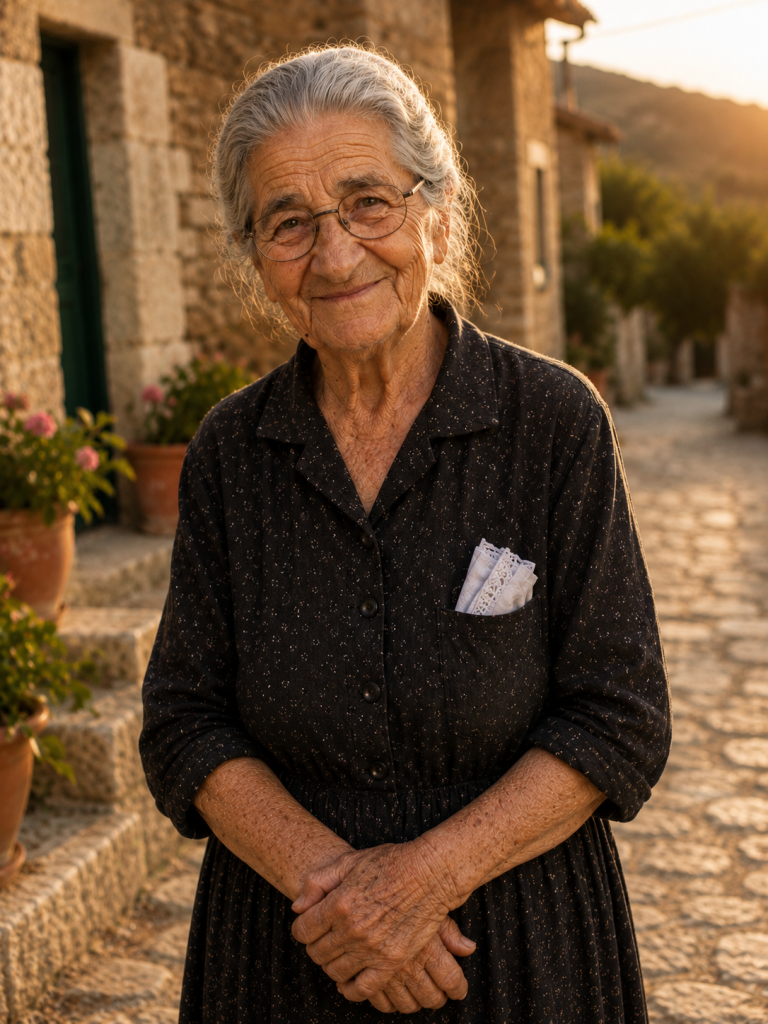
    woman learning Greek on her phone outdoors

    In Case No One Ever Told You This…

    Come close. I will tell you.

    She is an English speaker fluent in both languages. And when I told her I was studying she smiled and said:

    “Learn Greek first. After that Spanish will feel like a walk in the park.”

    At first I laughed. The language is known to be difficult. The alphabet alone stops most people before they even start. So how could learning the harder one first make everything else easier?

    However the more I thought about it the more it made sense. The more everything clicked into place she was absolutely right.

    The Foundation Most People Never Think About

    Most people avoid it because it looks hard. And honestly it is harder than Spanish. That is the truth.

    However here is what nobody tells you. It is not just a language. It is the foundation that most modern languages are built on. When you learn it you are not just learning one language — you are learning the root of language itself.

    For example consider these English words that come directly from ancient Greek:

    English WordGreek Root Meaning
    DemocracyDemos + Kratos — People + Power
    AlphabetAlpha + Beta — First two Greek letters
    PhilosophyPhilos + Sophia — Love + Wisdom
    GeographyGeo + Graphia — Earth + Writing
    PhotographyPhotos + Graphia — Light + Writing
    TelephoneTele + Phone — Far + Voice
    BiologyBios + Logos — Life + Study
    PsychologyPsyche + Logos — Mind + Study

    Therefore when you start learning it something magical happens. You start seeing words you already know. In English, in Spanish and in French. It feels like coming home.

    The Alphabet Secret Nobody Talks About

    The Greeks took the Phoenician alphabet — which had no vowels — and made a gripping history changing upgrade. They added explicit symbols for vowels — making it the first true alphabet in the modern sense. A writing system with both consonants AND vowels.¹

    The ancient Etruscans who lived in early Italy before the rise of Rome then borrowed this script and adapted it for their own language. From there the Romans took it directly. Starting with just 21 letters — eventually standardizing to 23 during the Roman Empire — and finally becoming the 26 letter alphabet you are reading right now.

    In other words English. Spanish. French. German. Italian. Every language that uses these letters exists because of what the ancient Greeks did thousands of years ago.

    Every vowel you write today exists because the Greeks added them first!

    How Starting Here Trains Your Brain for Every Language After

    Here is something compelling about how the brain learns languages.

    The first new language is always the hardest. Not because of the language itself. But because your brain is building a completely new set of skills it has never needed before.

    For example your brain has to learn how to listen for sounds it has never heard. Store new words in long term memory. Switch between two different grammar systems. Think in a completely different structure.

    Starting with the most demanding option forces your brain to develop ALL of these skills at the highest level. Therefore when you move to Spanish your brain already has these skills. It just feels easier because your brain already knows HOW to learn a language.

    It is like training for a marathon and then running a 5K. The 5K feels easy because you trained for something harder.

     Train hard first. Every language after feels like a 5K.

    What These Two Languages Actually Have in Common

    You might be surprised to learn how much the two share:

    SimilarityWhat It Means
    Both have gendered nounsMasculine and feminine words
    Both use similar sentence structureSubject verb object patterns
    Both share hundreds of root wordsThrough Latin connections
    Both have formal and informal formsDifferent ways to say you
    Both are phonetic languagesWords sound like they are spelled

    In addition many Spanish words that came through Latin originally started in ancient Greek. So when you learn the vocabulary you are often learning the ancestor of the Spanish word at the same time!

    Once you understand those roots Spanish vocabulary starts to click in a completely new way.

    The Practical Benefits Worth Knowing

    Beyond the brain training and the roots there are very practical reasons to start here:

    BenefitWhy It Matters
    You stand outAlmost nobody else does this — locals are genuinely touched when you try
    You travel betterGreece is one of the most visited countries in the world
    You sound educatedThese roots make you sound more intelligent in ANY language
    You learn faster laterEvery language after comes more easily
    You connect deeperSpeaking even basic phrases opens doors no tourist ever sees

    Furthermore speakers of this ancient language are among the most welcoming people on earth when they hear a foreigner attempt their words. Even a simple Yia sou or Efharisto will earn you a smile that no amount of money can buy.

    Practical Phrases to Begin Your Journey Today

    Here are real phrases from a typical SpeakGreek session:

    GreekSounds LikeEnglish
    Γεια σου!Yia sou!Hello!
    Ευχαριστώ!Ef-ha-ri-STO!Thank you!
    Παρακαλώ!Pa-ra-ka-LO!Please! / You are welcome!
    Συγγνώμη!Si-GNO-mi!Excuse me! / Sorry!
    Μιλάτε Αγγλικά;Mi-LA-te Ang-gli-KA?Do you speak English?
    Δεν καταλαβαίνωDen ka-ta-la-VE-noI do not understand
    Πού είναι;Pou I-ne?Where is it?
    Πόσο κάνει;PO-so KA-ni?How much does it cost?

    Learn these eight phrases and you already have the foundation of real communication in Greece. In addition every one of them will make a local smile and treat you like a friend rather than just another tourist.

    So Where Do You Start?

    My friend was right.

    Start with the harder one. Build the foundation. Train your brain with the most demanding alphabet. Learn the roots of the language that built the modern world.

    After that every language that comes after — including Spanish — feels like a walk in the park.

    However you do not need to become fluent to experience these benefits. Even learning the basics — the alphabet, a few hundred words, some practical phrases — gives your brain the foundation it needs to move faster through any language that comes after.

    Above all you do not need months of study or expensive classes. You just need one focused daily session and a little curiosity – is enough to start. You’ll be surprised how proud you feel with just a few words.

    Learn Greek first. After that Spanish will feel like a walk in the park.

    Join the waitlist and be the first to know when it drops!

    Plus get an exclusive early bird discount when we launch!

    Enter your email below to join the SpeakGreek waitlist!

    Subscribe

    * indicates required

    Follow us on TikTok, Threads and Instagram @speakgreek for daily Greek language tips!


    ¹ The Origins of the Alphabet — From Phoenicia to the World:

    https://www.thearchaeologist.org/blog/the-origins-of-the-alphabet-from-phoenicia-to-the-world

  • Is 30 Minutes a Day Enough to Learn Greek?

    Sounds too good to be true? Keep reading. You can learn Greek in 30 minutes a day — and this is exactly how.

    But first let me tell you about the myth that stops most people before they even start.

    For instance many folks believe learning a language takes hours every single day.Therefore they never start. They wait for a big block of free time that never comes.

    However, many say: I would love to learn Greek, but I just do not have the time.

    The truth is you do not need more time. You need quality time. One focused daily session beats three distracted hours every single time.

    The Myth That Is Keeping You Stuck or Spinning

    Here is something most language courses will never tell you. The alphabet and the grammar are not the problem. The real obstacle is the belief that you need more time than you actually have.

    The biggest obstacle to learning Greek is not the language.

    For example, have you ever put off learning something because life got busy? Of course you have. We all have. However the people who actually learn Greek are not the ones with the most free time. They are the ones who showed up consistently with whatever time they had.

    Consistency beats marathon sessions every single time.

    Quality Time — That Is The Secret

    So what does quality time actually look like?

    In short, it looks like one focused daily session. Phone on Do Not Disturb. Headphones in. Notebook open. Timer set.

    No distractions, and no multitasking. Just you and the language for one dedicated block of time each day.

    As a result that single daily commitment — done consistently — is more powerful than occasional long sessions that leave you exhausted and frustrated.

      One focused daily session is all it takes!

    What Science Says About Learning a Language

    Here is something interesting about the human brain.

    Research shows that shorter focused practice sessions lead to better memory and faster learning than long unfocused ones.¹ This is called spaced repetition. Instead of cramming everything into one long session your brain absorbs and retains information much better when it receives it in short regular doses.

    For example think about how children learn their first language. Not in marathon sessions. In small moments throughout the day. Over and over. Until it sticks.

    In addition science shows that when your brain looks forward to doing something meaningful it releases dopamine² — the chemical that sharpens your focus and helps you remember more.³ Therefore one quality session each day is not a compromise. It is actually the most effective way to learn a new language.

    What One Session Actually Covers

    More than you think! Here is what a typical SpeakGreek session covers:

    TimeActivityWhy It Works
    Minutes 1 to 5Review yesterdayYour brain locks in what it learned
    Minutes 6 to 15Learn new vocabularyReal life practical words — not textbook filler
    Minutes 16 to 20Listen and repeatTrain your ear and mouth at the same time
    Minutes 21 to 25Mini quizTest yourself while it is still fresh
    Minutes 26 to 30Practice out loudSay the phrases. Own them. Make them yours

    That is a complete learning cycle. Review. Learn. Listen. Test. Speak. Repeat.

      Review. Learn. Listen. Test. Speak. That is how Greek gets learned.

    What Consistent Practice Looks Like Over 30 Days

    Here is what one month of daily practice looks like:

    WeekWhat You LearnResult
    Week 1Hello goodbye your name where you are fromBasic introductions covered!
    Week 2Body parts home rooms emergency phrasesReal life situations covered!
    Week 3Numbers money shopping street foodYou can now order food and shop!
    Week 4Full conversations review and practiceYou are having real conversations!

    In just one month of consistent daily practice you go from zero Greek to having real conversations. However the key word is consistent. Every day. Not sometimes. Every day.

    The Simple Math That Will Motivate You

    Let us look at what one daily session actually adds up to over time:

    TimeframeTotal PracticeWhat It Means
    Every dayOne sessionBuilding the habit
    Every week3.5 hours totalMore than most people study in a month!
    Every month15 hours totalA full college credit hour of study!
    In 6 months90 hours totalEnough to hold real conversations in Greek!
    In 1 year180 hours totalYou are genuinely fluent in everyday Greek!

    It does not sound like much. However it adds up to something special. Therefore the question is not about time at all. It is about showing up every single day.

    Consistency adds up to fluency — one session at a time!

    Greek Phrases You Can Learn Today

    Practical phrases from a typical SpeakGreek session:

    GreekSounds LikeEnglish
    Γεια σου!Yia sou!Hello!
    Πώς σε λένε;Pos se LE-ne?What is your name?
    Με λένε…Me LE-ne…My name is…
    Πού είναι η τουαλέτα;Pou I-ne i tou-a-LE-ta?Where is the bathroom?
    Ένα σουβλάκι παρακαλώ!E-na souv-LA-ki pa-ra-ka-LO!One souvlaki please!
    Πόσο κάνει;PO-so KA-ni?How much does it cost?
    Χρειάζομαι βοήθεια!Hri-A-zo-me vo-I-thi-a!I need help!
    Ευχαριστώ!Ef-ha-ri-STO!Thank you!
    Καληνύχτα!Ka-li-NYCH-ta!Good night!
    Αγαπώ την Ελλάδα!A-ga-PO tin E-LA-da!I love Greece!

    Ten phrases. One session. These are not just random words. They are phrases you will actually use in Greek, words that make locals smile and could help you in an emergency. Consistency adds up to fluency — one session at a time!

    So Is Learning Greek 30 Minutes a Day Enough?

    Yes. Absolutely yes.

    One distracted session is not enough. Half effort is not enough. Showing up on Monday and then nothing until Thursday is not enough.

    However one focused quality session every single day? That changes everything.

    Therefore the question is not really about the clock. It is about showing up. Every single day. With your phone on Do Not Disturb, your headphones in and your notebook open.

    Can you do that?

    Of course you can. You already proved it by reading this far.

     One focused daily session. Every day. That is the whole secret.

    Start Your First Session Today

    You do not need a perfect schedule. No hours of free time required. You do not even need to be good at languages.

    Above all you just need the decision.

    SpeakGreek is built around exactly that — one focused daily session teaching you real practical Greek that you will actually use. Not textbook Greek, nor grammar drills. Greek for real life.

    Want to know more about the Greek language? Read our post on 5 eye-opening Greek language facts before your trip to Greece

    In addition every lesson is designed to fit perfectly into your daily window. No more. No less.https://speakgreek.app/greek-language-facts

    So today — right now — make the decision. And take the first step toward speaking Greek.

    Ας αρχίσουμε. Let us begin.

    Join the waitlist and be the first to know when it drops!

    Plus get an exclusive early bird discount when we launch!

    Enter your email below to join the SpeakGreek waitlist!

    Subscribe

    * indicates required

    Follow us on TikTok, Threads and Instagram @speakgreek for daily Greek language tips!

    ¹ Spaced Repetition and Memory Research: https://en.wikipedia.org/wiki/Spaced_repetition

    ² Dopamine and Motivation in Learning: https://en.wikipedia.org/wiki/Dopamineh https://en.wikipedia.org/wiki/Dopamine

    ³ Short Study Sessions and Learning Effectiveness: https://www.ncbi.nlm.nih.gov/pmc/articles/PMC4644299/

  • Language Learning Tips Preparation is Motivation — SpeakGreek

    language learning tips

    The Reason Most People Fail Has Nothing to Do With Any Language

    Nobody ever tells you this but… the most important language learning tips have nothing to do with the language itself.

    It happens before they ever open the app.

    Before they hear their first new word.

    And before they say Yia sou for the very first time.

    They sit down unprepared.

    Their mind is scattered, someone needs to borrow the car, the phone is ringing, on and on… Totally distracted. And they wonder why nothing seems to stick.

    Preparation is not something you do before learning. Preparation IS the learning.


    Why Preparation Creates Motivation

    Here is something interesting about the human brain.

    When you prepare for a task — when you clear the space, gather the tools and set the intention — your brain releases a small amount of dopamine. The same chemical responsible for motivation, focus and satisfaction.

    In other words — the act of preparing for your practice session actually makes you MORE motivated to do it.

    Science backs this up. When your brain looks forward to doing something meaningful it releases dopamine — the chemical that sharpens your focus and helps you remember more.

    But here is the key — it only works if you see your preparation as a positive step toward your goal. Not a chore. A choice.

    This is one of the most powerful language learning tips you will ever receive.

    Therefore you are not waiting to feel motivated before you prepare. The preparation creates the motivation. That is the secret most language learners never discover.

    Prepare first. Motivation follows. Every single time.


    7 Language Learning Tips for a Powerful 30 Minute Practice Session

    These seven steps take less than 3 minutes to complete. But they transform your 30 minute practice session from scattered and forgettable to focused and powerful.

    Step 1 — Do Not Disturb

    Your practice session is 30 minutes. The world can wait. Put your phone on Do Not Disturb before you begin — every single time. This is non negotiable. One notification can break your focus and cost you 10 minutes of recovery time.

    Step 2 — Clear Your Mind

    Take 60 seconds to close your eyes and breathe. Slow down. Let the noise of the day soften, relax and find mental clarity. You are about to do some great work here.

    Step 3 — Use Headphones

    Every pronunciation, every audio clip, every word you repeat lands deeper with headphones on. Language is meant to be heard. Give yourself every advantage of hearing it properly.

    Step 4 — Have a Notebook Ready

    If you hear something that moves you in any way write it down. Feel free to take notes. Your reference notebook can come in handy long after your SpeakGreek lessons are over. It can also serve as your personal dictionary.

    Step 5 — Set a Timer for 30 Minutes

    Set your timer for 30 minutes. When it goes off you are done. Simple as that.

    Step 6 — Have Water Nearby

    Keep drinking water nearby. Speaking a new language out loud is thirsty work! Trust me your throat will thank you.

    Step 7 — Sitting in the Same Spot Every Day Can Make All the Difference

    Something as simple as sitting in the same spot every day can make all the difference. Your brain will notice this is the learning place and automatically shift into focus mode.


    Practice Your Preparation — Say These Out Loud!

    Here are some powerful language learning tips you can use right now — say these phrases out loud as you prepare for your practice session. These happen to be in Greek — but the energy behind them works in any language!

    GreekSounds LikeEnglish
    Είμαι έτοιμος/η!I-me E-ti-mos/i!I am ready!
    Ας αρχίσουμε!As ar-HI-sou-me!Let us begin!
    Μπορώ να το κάνω!Bo-RO na to KA-no!I can do this!
    Τριάντα λεπτά!Tri-AN-da lep-TA!Thirty minutes!
    Σήμερα μαθαίνω Ελληνικά!SI-me-ra ma-THE-no E-li-ni-KA!Today I learn Greek!

    Say these out loud before every practice session. Your brain will start to associate these words with focus and readiness. Before long saying Ας αρχίσουμε will feel like flipping a switch!


    Turn Preparation Into a Ritual

    The best language learning tips are not about grammar or vocabulary. They are about ritual.

    The most successful language learners do not treat practice as a task on a to do list. Instead they treat it as a ritual.

    Same time every day. Follow the same preparation steps. And keep the same mindset.

    After two weeks of consistent preparation your brain will start to crave the session before you even begin. That is not discipline. It is habit. And habit is the most powerful force in language learning.

    Discipline gets you started. Ritual keeps you going. Preparation makes it inevitable.


    So What Does This Have to Do With Motivation?

    Everything.

    Most people wait to feel motivated before they start. They tell themselves they will practice when they feel like it. When inspiration strikes, and life calms down.

    That day rarely comes.

    However when you prepare — when you close the apps, put in the headphones, open the notebook and set the timer — something shifts. The act of preparation signals to your brain that something important is about to happen.

    As a result your brain responds with exactly what you need.

    Focus, energy and motivation.

    Preparation is not what comes before motivation.

    Preparation IS motivation.


    Your Practice Starts Before the First Word

    Tonight before your SpeakGreek session try this.

    Close your other apps. Put on your headphones. Open your notebook. Set your timer for 30 minutes. Take one slow breath.

    And say out loud:

    Ας αρχίσουμε!As ar-HI-sou-me! — Let us begin!

    Notice what happens.

    That feeling right there — that quiet readiness, that small surge of focus — that is preparation becoming motivation.

    That is one of the best language learning tips working before you even start the first lesson.

    Ας αρχίσουμε. Let us begin. 🇬🇷


    Join the waitlist and be the first to know when it drops!

    Plus get an exclusive early bird discount when we launch!

    👉 Enter your email below to join the SpeakGreek waitlist!

    Subscribe

    * indicates required

    Follow us on TikTok and Instagram @speakgreek for daily Greek language tips!

  • 5 Eye-opening Greek Language Facts to Know Before Your Trip to Greece

    Did You Know the Greek Word for YES Sounds Like NO?

    Imagine This…

    You are standing at a street food stall in Athens. The smell of sizzling souvlaki fills the air. A friendly Greek vendor smiles at you and asks something in Greek. You nod eagerly and say what you think is yes.

    He looks confused. Then concerned. Then he shakes his head.

    You said yes. He heard no. And now you are standing there wondering how everything went so wrong so fast.

    “Oh snap! I thought — “What just happened?” Thankfully my spouse stepped in and saved my purchase. Looking back now it was actually my first valuable Greek lesson — and I had not even started the app yet!

    Welcome to the wonderful world of Greek — language. One full of beautiful surprises, ancient wisdom and a few delightful tricks that will catch you completely off guard if nobody warns you first.

    Consider this your warning. And your invitation to fall in love with one of the world’s most interesting languages.

    Fact 1 — The Word for YES Sounds Exactly Like NO

    This is the one that gets every English speaker visiting Greece for the first time.

    In the Greek language, the word for YES is Ναι. It is pronounced Ne. Exactly like the English word neigh — as in what a horse says.

      ✅ Ναι (Ne) = YES in Greek

    Meanwhile the Greek word for NO is Όχι pronounced O-hi.

      ❌ Όχι (O-hi) = NO in Greek

    So when a Greek person asks if you want more food and you passionately say “Ne Ne Ne” — you are actually saying “Yes Yes Yes.” That is great unless you meant no — because you just agreed to a second helping of everything!

    Honestly, there are worse problems one could have in Greece.

     “Ne” means YES. Say it with confidence and watch Greek people smile!

    Now that you know Ne means YES, try asking your first questions in Greek:

    GreekSounds LikeEnglish
    Πού είναι;Pou I-ne?Where is it?
    Τι είναι αυτό;Ti I-ne af-TO?What is that?
    Γιατί;Gia-TI?Why?
    Πώς;Pos?How?
    Ποιος;Pios?Who?

    Five questions. Thirty seconds. You are already having a conversation.

    Fact 2 — Greek Has Given the English Language More Than 150,000 Words

    For example — have you ever said any of these words?

    Democracy. Alphabet. Music. Theater. Phone. Camera. Geography.

    You have been speaking Greek without knowing it.

    Greek words traveled all over the world. Some came straight into the English language. Others passed through Latin and French first. In addition scientists use Greek words every single day.

    More than 90% of scientific words come from Greek.

     The word alphabet comes from Alpha and Beta — the first two Greek letters!

    When you start learning Greek something magical happens. You start seeing words you already know. As a result it feels like coming home.

    Fact 3 — The Greek Alphabet is Over 2,700 Years Old and Still Going Strong

    In addition the Greek alphabet is one of the oldest alphabets still in active use today. Created around 800 BC, it became the foundation for the Latin alphabet which became the foundation for the English alphabet.

    Every time you write the letter A you are writing a slightly modified version of the Greek letter Alpha — Α.

    Every time you write B you are writing a version of Beta — Β.

    The Greek alphabet has 24 letters. Once you learn them — which takes about a week at 30 minutes a day — you can start reading Greek signs, menus and street names on your very next trip to Greece.

      Fun fact: The word alphabet comes from Alpha and Beta — the first two letters of the Greek alphabet!

    And if you have ever wondered what those fraternity and sorority names mean — Sigma Chi, Delta Gamma, Phi Beta Kappa — those are all Greek letters! You already know more Greek than you thought.

    Once you know the alphabet, these signs become readable instantly:

    GreekSounds LikeEnglish
    ΕΞΟΔΟΣEK-so-dosEXIT
    ΕΙΣΟΔΟΣI-so-dosENTRANCE
    ΤΑΞΙtak-SITAXI
    ΑΣΤΥΝΟΜΙΑAs-ti-no-MI-aPOLICE
    ΦΑΡΜΑΚΕΙΟFar-ma-KI-oPHARMACY

    You are reading Greek already. How does that feel?

    Fact 4 — Greeks Say Your Health Instead of Goodbye

    In English, when we leave someone, we say Goodbye — a word that once meant God be with you but has lost almost all of its meaning over time.

    However Greeks do something much more beautiful.

    The most common Greek greeting and farewell is Γεια σου pronounced Yia sou. It literally means Your health. When you say hello or goodbye to a Greek person you are wishing them good health.

     Γεια σου (Yia sou) = Hello AND Goodbye AND Your Health

    Think about that for a moment. Every time a Greek person greets you or says goodbye they are wishing your health upon you. In a culture famous for warm hospitality, delicious food and passionate celebration of life this makes perfect sense.

    And when you raise a glass at a Greek table the toast is Στην υγειά μαςStin yia mas — which means to our health. It simply is not just cheers. Not to you alone. It is to OUR health. Because you are all in it together.

     Every Greek hello is a wish for your good health. How beautiful is that?

    Try starting your first Greek conversation:

    GreekSounds LikeEnglish
    Γεια σου! Πώς είσαι;Yia sou! Pos I-se?Hello! How are you?
    Πού είσαι από;a-PO Pou I-se?Where are you from?
    Τι κάνεις;Ti KA-nis?What are you doing?
    Γιατί μαθαίνεις Ελληνικά;Gia-TI ma-THE-nis E-li-ni-KA?Why are you learning Greek?
    Πώς σε λένε;Pos se LE-ne?What is your name?

    Five questions. Five answers. Your first Greek conversation has already begun.

    Fact 5 — The Greek Language. That Is It.

    Think about everything you just learned.

    Think about everything you just learned. YES sounds like NO, more than 150,000 English words came from Greek, the alphabet is 2,700 years old, and every hello is a wish for your health.

    So what ties it all together?

     The Greek Language.

    Not just words. Or even grammar.

    A living language. Carrying thousands of years of human stories, passion, humor and love.

    For example it gave the world democracy. It named the stars. It shaped medicine and science.

    As a result fewer languages on earth have given so much to so many for so long.

    Three Thousand Years of Human Story

    When a Greek grandmother says Αγάπη μου — my love — she is speaking words that philosophers debated, poets celebrated and lovers whispered for thousands of years before her.

    In addition when a Greek person says Yia sou — your health — they are continuing a tradition of human warmth and connection that goes back further than anyone alive today.

    Therefore that is not just language.

    That is the missing sauce.

    And now you know why it is worth learning.

    So Where Do You Start?

    If these five facts have sparked something in you — a curiosity, a smile, a real desire to say Yia sou to a Greek person and have them light up — then you are already on your way.

    You Do Not Need Much

    Therefore learning Greek does not have to be hard. You do not have to master ancient philosophy or memorize endless grammar rules. Instead you just need the words and phrases that matter most in real life.

    For instance — say hello in Greek. Order that perfect gyros. Find the bathroom urgently after three Greek coffees. Ask for help in an emergency. And tell someone their food was absolutely delicious.”

    That is exactly what SpeakGreek was built to teach. Practical Greek for real life situations. Nothing more. Nothing less.

     Just 30 minutes a day and in 6 months you will be having real conversations in Greek!

    Start with Ne. Say it confidently. Watch a Greek person smile.

    That smile is worth every minute of practice.

      Join the waitlist and be the FIRST to know when it drops!

      Plus get an exclusive early bird discount when we launch!

      Enter your email below to join the SpeakGreek waitlist!

    Subscribe

    * indicates required

      Follow us on TikTok, Threads and Instagram @speakgreek for daily Greek language tips!