Author: speakgreek

  • Athens…A City Named by a Goddess

    The Arrival

    Welcome back to this Athens Greece travel blog, picking up right where we left off leaving Thessaloniki. Our Olympic Airways flight touched down in Athens around 10:30 on a Tuesday morning, at Ellinikon International Airport, also known as Hellenikon. The village of Ellinikon gave the airport its name, and that village is now a coastal suburb south of the city. Our taxi dropped us in downtown Athens, and that’s where my Greek lessons started in earnest.

    A Lesson in Dialects

    My instructor began at once telling me about the dialects of Greece. Who knew there had been more than one? I certainly didn’t.

    Attic was spoken in Athens itself, the dialect that shifted many alpha sounds to eta sounds, and the one used for the great philosophy and drama Athens became known for. Ionic developed along the coast of Asia Minor, the Cycladic islands, and Euboea, closely related to Attic. Doric belonged to the Spartans of Sparti, as well as Crete, parts of the Aegean islands like Rhodes, and even parts of southern Italy. This dialect held onto the long a sound, so the word for mother stayed mater instead of becoming meter as it did in Attic. Meanwhile, Aeolic took root in Boeotia near Athens, in Thessaly, and on the island of Lesbos off the coast of Asia Minor.

    More on that later. By then it was 11:45, the sun was climbing, and all we wanted was something cold to drink and a place to stay for the week.

    The Heat, the Wine, and a Scare

    By Thursday we knew it was too hot to be out between 2:00 and 5:00. We started taking naps too, and they were refreshing. We met some of his friends in the park, and they were drinking wine instead of water. That was a question I held onto and tucked away, because I needed to know what was wrong with the water.

    On our way back to the hotel, I was as drunk as I could be. I hadn’t had the chance to ask my instructor about the water yet, so every time they passed him a glass of wine, I drank it instead. He had already survived two serious heart attacks, and I feared for his life. He was eating pâté and hot peppers and drinking wine, and the heat outside made all of it worse. I knew this wasn’t something he was supposed to do, and it frightened me. My Greek was still very limited, and I had a young child to care for, along with myself and him.

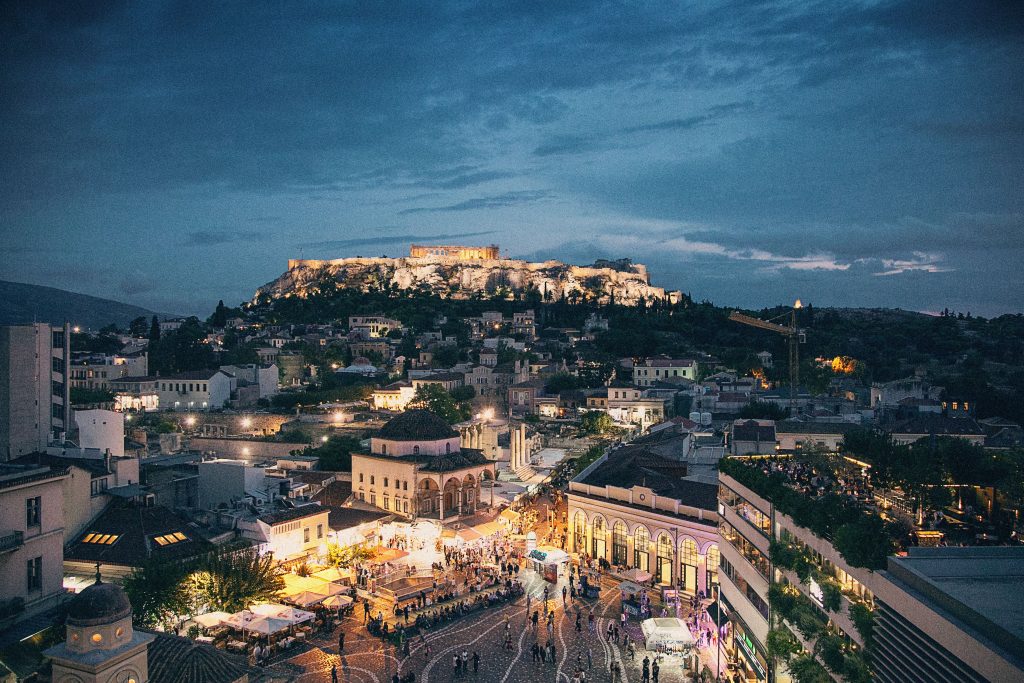
    An Athens Greece Travel Blog Seen by Streetlight

    The heat pushed us into a rhythm of streetlight travel. Buses idled past midnight, taxi windows stayed down, and Athens appeared and disappeared between buildings like something we weren’t quite sure we’d really seen. I don’t remember Athens the way I remember other places, in full daylight detail. Instead, I remember it in fragments: floodlit marble on a hillside, the hush of a city that was, impossibly, once ruled by a goddess.
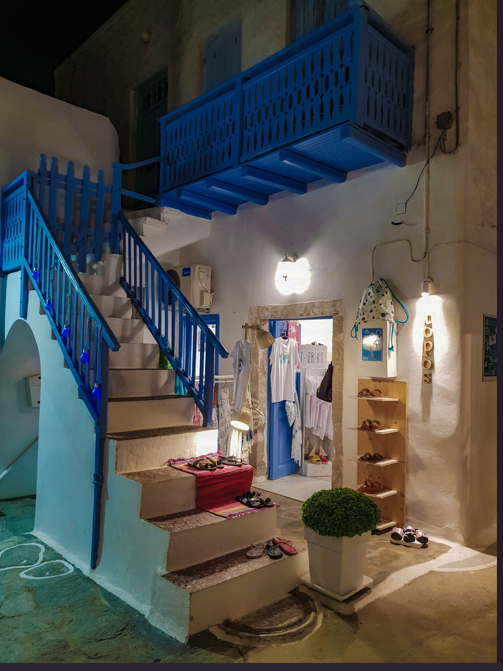
    That’s the strange magic of writing an Athens Greece travel blog when your own memories are incomplete. I’ve given you what I did remember. Now I’ll tell you what was there, whether we saw it or not, the stories that were already old when the marble was new.

    A City Named by a Goddess

    One thing this Athens Greece travel blog keeps coming back to is how myth and geography overlap. Long before Athens became a capital, before it was even fully a city, it was a prize.

    Two gods wanted it: Athena, goddess of wisdom, and Poseidon, god of the sea. Rather than fight over the rocky hill that would become the Acropolis, they agreed to a contest. Each would offer the people a gift, and the people would choose.

    Poseidon struck the rock with his trident, and a spring burst forth. The people rushed toward it, then recoiled, because the water was salt, useless for drinking or growing anything. Athena’s gift was quieter. She planted an olive tree, offering wood for building, oil for cooking and light, and fruit to eat. The people chose Athena, and the city took her name.

    If you climbed the Acropolis, you would have passed the Erechtheion, the strange, asymmetrical temple built specifically to honor this contest. A mark in the rock inside its precinct is said, whether by faith or tourism or both, to be Poseidon’s trident strike. Nearby, an olive tree grows where Athena’s is said to have stood. Whether it’s the same soil that mattered thirty centuries ago hardly matters. The city still keeps the story alive in stone and root.

    A Pantheon of Names

    Athena and Poseidon didn’t compete for the city in isolation. They were two of the twelve gods the Greeks called the Olympians, the ruling family of deities said to live atop Mount Olympus. Zeus, king of the gods and god of the sky, was Athena’s father. Hera, his wife, ruled over marriage and family. Apollo governed the sun, music, and prophecy, while his twin sister Artemis ruled the hunt and the moon. Hermes, quick and clever, carried messages between gods and mortals. Aphrodite embodied love and beauty, and Ares, her opposite, embodied war.

    How Athena Was Born

    History has it…Zeus was said to have swallowed Athena’s mother whole after a prophecy warned her child would surpass him, and Hephaestus later split his skull open with an axe, the strange, violent circumstance under which Athena was born, fully grown and armored.

    d at the center of it all, but the Greek pantheon didn’t stop there. Beyond the twelve, the Greeks named hundreds of other gods, minor deities, and spirits: gods of rivers, winds, dawn, sleep, the underworld, individual mountains and springs. Some estimates put the total number of named Greek deities in the hundreds, a whole invisible population layered over the visible world, each with a role, a temperament, and a story.

    Standing on a hill in Athens, it’s worth remembering that the contest between Athena and Poseidon wasn’t just two gods arguing. They were members of a much larger, and stranger family, deciding, for one city at least, who would be remembered first.

    Where the City Sits

    Looking out over Athens from any hill, you notice something strange for a European capital: there’s no dramatic skyline. No sudden towers break the horizon. Instead, the city spreads out in a wide, even sea of low buildings, block after block, almost the same height, stretching all the way to the mountains ringing the basin. It looks less like a city that was planned and more like a city that grew, one small deal at a time. In a way, it was.

    These buildings share a name: polykatoikia, meaning “many residences.” They’re the plain, balconied apartment blocks that make up most of Athens, usually five or six stories, concrete, functional, unremarkable on their own. Still, the way they came to exist is one of the more interesting stories in the city’s modern history.

    How Antiparochi Built a City

    Athens grew fast after the Second World War and the civil war that followed it. People poured in from the countryside looking for work, and the city needed housing quickly, without much public money to build it. A private arrangement called antiparochi, meaning “in exchange,” filled the gap. A family that owned a small house or a plot of land would hand it over to a builder. In return, instead of being paid in cash, the family would receive several finished apartments in the new building once it went up, sometimes enough to live in one and rent out the rest.

    No grand city planning office decided how Athens should look. Instead, thousands of individual landowners made thousands of individual bargains, and the polykatoikia system built the city one small trade at a time. That’s why so much of Athens has that same steady rhythm: similar heights, similar concrete, similar balconies looking out over the next building’s balconies. It wasn’t designed to look uniform. It just happened that way, deal by deal, family by family, across a few fast decades.

    If you looked up from a taxi window at midnight the way we did, you were probably looking at someone’s grandmother’s old house, traded away years ago for four walls and a balcony of her own.

    Stones That Remember the Myth

    The Parthenon wasn’t just a temple to Athena. It was a myth carved into architecture, meant to be read the way we’d read a book.

    The east pediment, above where visitors would have entered, depicted the birth of Athena herself, springing fully grown and armored from the head of Zeus. The west pediment, facing the city she would come to name, showed the contest itself: Athena and Poseidon frozen mid-offering, the olive tree and the spring, the moment of choosing.

    Time has worn away much of that sculpture, and museums far from the hill it was carved for hold what remains. Still, knowing what was once there changes how you look at even a broken, weathered ruin. It wasn’t decoration. It was the story of the city’s own beginning, placed where everyone who climbed that hill would have to look up and see it.

    The Hero Who Never Came Home the Same

    Athens’s myths aren’t only about gods. They’re about a hero too: Theseus, something like a founding king to a young country, except his story is far stranger than any founding king’s.

    Crete once demanded a tribute from Athens: youths sent every so often to feed the Minotaur, a monster part man and part bull. The Athenians built a labyrinth to contain him because he was too dangerous to kill or set loose. Theseus volunteered to go, not as a victim but to end the tribute for good. In Crete, Ariadne, the king’s daughter, fell for him and gave him a spool of thread, a way to find his way back out of the labyrinth once the Minotaur was dead. Theseus killed the beast, followed the thread out, and sailed home.

    A Homecoming That Wasn’t

    The story doesn’t end cleanly. In some tales, Theseus abandoned Ariadne on an island on the way home. Worse, he forgot to change his ship’s sails from black to white, the signal he’d promised his father he’d raise if he survived. Watching from a cliff and seeing black sails, his father believed his son was dead and threw himself into the sea. That sea still carries his name: the Aegean.

    Near the Ancient Agora stands a temple that has survived astonishingly intact, better preserved than almost anything else from ancient Athens: the Temple of Hephaestus, long nicknamed the Theseion after this hero. Its walls once carried scenes from his labors. It’s a strange kind of monument, built for a god of blacksmiths, yet remembered, at least in name, for a man whose heroism came bundled with grief he caused and grief he couldn’t outrun.

    Greek Words for This Journey

    EnglishGreekSounds Like
    GoddessΘεάThe-A
    Myth / StoryΜύθοςME-thos
    Olive treeΕλιάE-LIA
    BuildingΚτίριοKTI-rio
    StreetlightΦανάριFa-NA-ri
    ApartmentΔιαμέρισμαThia-ME-riz-ma

    Closing Thought

    We never saw any of this by daylight. But maybe that’s fitting, in its own way. Athens has always been a city half in myth, half in stone, where you’re never entirely sure where the story ends and the history begins. That tension is what keeps this Athens Greece travel blog going, one post at a time.

    Get your FREE Greek Phrase Guide eBook.

    Practical Greek Phrases for travelers who want to speak the language.

    Enter your email address to receive your free eBook.

    Subscribe

    * indicates required

    Follow us on TikTok, Threads and Instagram @speakgreek for daily tips!
  • Leaving Belgrade. First Stop, Thessaloniki.

    Northern Greece Thessaloniki travel guide

    The Border

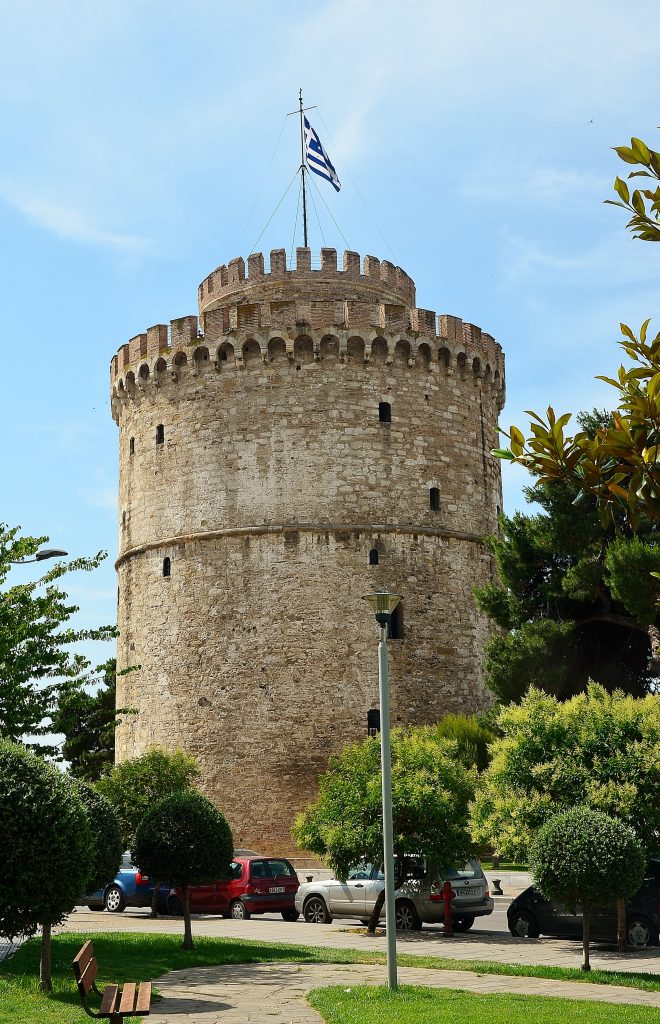
    If you are researching Northern Greece Thessaloniki travel, here is what nobody tells you: the moment you land changes everything.

    There is a moment when you cross from one country into another and everything shifts. The airport looks the same. The signs look the same. However something changes the moment you enter Greece.

    We flew out of Belgrade and touched down in Thessaloniki. When we stepped off the plane, I felt it. The air. The light. Something that is hard to put into words but impossible to miss if you have ever made that crossing yourself.

    Our first stop was Thessaloniki. Fittingly, before we even reached the city center, we found ourselves in a town just east of it, because that is exactly where the airport is. A town called Thermi.

    Thermi, Where the Hot Springs Are

    Thermi is located about 14 kilometers east of central Thessaloniki. Macedonia International Airport, Thessaloniki’s main airport, is also located here.

    Thermi means hot springs in Greek. The name comes from the ancient Greek word thermos, meaning warm or hot. People have been coming to these springs since ancient times. The therapeutic waters have drawn visitors for thousands of years.

    My father-in-law Yonnie knew this town well. He and Zahari visited the hot springs regularly. So of course we went too.

    The water was hot. Very hot. It made me feel heavy, thick and sluggish. I got out and got dressed as quickly as I could. However later that day, I felt better than I had in a long time. Maybe Yonnie and Zahari knew something we did not.

    Thermi is also a town of narrow streets. Very narrow. So narrow that even a small car has to pull over to one side to let oncoming traffic pass. I remember watching a man navigate a 1957 Chevy through those streets, wheels up on the sidewalk just to fit through. Classic American car. Ancient Greek town. Some things you cannot plan for.

    Thessaloniki, Greece’s Second City

    Thessaloniki is Greece’s second largest city and the capital of Northern Greece. Macedonia International Airport serves the city and the wider region.

    After Thermi we drove into Thessaloniki. The city is busy, alive, and full of energy. It sits at the head of the Thermaic Gulf and has been an important city since 315 BC when King Cassander founded it, naming it after his wife Thessalonike, the half-sister of Alexander the Great.

    We wandered into a jewelry store. Gold earrings, watches, bracelets, all beautiful. Greek gold craftsmanship is something you have to see in person to fully appreciate. The detail, the weight, the warmth of it. We looked for a long time.

    I decided my shopping spree should start right there. I bought a small pair of earrings on the spot. I knew that once I left this city I might not see it again. I had to have a souvenir. I am still happy with those earrings today.

    Then we ate. And that is where Thessaloniki truly surprised me.

    The spanakopita, spinach pie, was the best I have ever tasted in my life. Fresh phyllo pastry, crispy and golden. Spinach and feta filling that was generous and perfectly seasoned. Thessaloniki is known for its food and after one bite I understood why completely.

    Diavata, West of Thessaloniki

    Diavata is a town west of Thessaloniki, within the greater Thessaloniki metropolitan area.

    From Thessaloniki we headed west to Diavata. This is where things got memorable in a way I did not expect.

    Someone offered me a donkey ride. I said yes. There was no saddle. Just a thick colorful blanket thrown over the donkey’s back. I was wearing a skirt.

    I slid right off.

    Some experiences you cannot plan for no matter how hard you try. That was one of them. I laughed. Everyone laughed. Greece has a way of surprising you when you least expect it.

    Up in the Mountains, A View Worth Everything

    Mount Chortiatis sits east of Thessaloniki and offers sweeping views down toward the Thermaic Gulf and the coastline below.

    Before we left the Thessaloniki area we drove up into the mountains. Mount Chortiatis rises just east of the city and the view from up there is something I have never forgotten.

    We sat at a café on the mountain. Far below us we could see the beach. The water. The gulf stretching out toward the horizon. From up there the whole world looked calm and ordered and beautiful.

    We ordered hot goat milk chocolate. Fresh bread and butter arrived with it. The chocolate was rich and warming. The bread was soft. The butter was cold. The view was endless.

    I did not want to leave.

    Northern Greece Thessaloniki Travel: What You Should Know

    If you are planning a trip to Greece, most people fly straight to Athens. However Northern Greece Thessaloniki travel deserves your attention. Thessaloniki has its own airport, Macedonia International Airport, with direct flights from many European cities.

    From Thessaloniki you can easily explore:

    East of Thessaloniki: Thermi, Serres, Kavala, Xanthi, Komotini, Alexandroupolis

    West of Thessaloniki: Diavata, Veroia, Edessa, Kozani, Florina, Kastoria

    Each of these areas has its own character, food, and history. When it comes to Northern Greece Thessaloniki travel, this region is not just a stop on the way to Athens. It is a destination worth your full attention.

    Greek Words for This Journey

    Here are a few Greek words from this part of your trip:

    GreekEnglishPronunciation
    Θέρμη (Thermi)Hot springsTHER-mi
    Θερμός (Thermos)Warm / HotTHER-mos
    Σπανακόπιτα (Spanakopita)Spinach piespah-nah-KOH-pee-tah
    Γάιδαρος (Gaidaros)DonkeyGAH-tha-ros
    Βουνό (Vouno)Mountainvoo-NO
    Λεωφορείο (Leoforeio)Busle-o-fo-REI-o
    Τρένο (Treno)TrainTRE-no
    Τι ώρα έρχεται το λεωφορείο/τρένο;What time does the bus/train come?Ti O-ra ER-he-te to le-o-fo-REI-o/TRE-no?

    Northern Greece surprised me at every turn. The hot springs of Thermi. The gold of Thessaloniki. A donkey in Diavata. Hot goat milk chocolate on a mountain with the beach far below.

    None of it was in any guidebook I had read. All of it was real.

    That is the Greece most people never see. And it is worth every moment of the journey to get there.

    Get your FREE Greek Phrase Guide eBook.

    Practical Greek Phrases for travelers who want to speak the language.

    Enter your email address to receive your free eBook.

    Subscribe

    * indicates required

    Follow us on TikTok, Threads and Instagram @speakgreek for daily tips!
  • Papou

    Papou is the Greek word for grandfather. This is a Papou Greek grandfather story about weight, steadiness, and the quiet kind of strength that does not need to announce itself.

    A Papou Greek Grandfather Who filled the Room

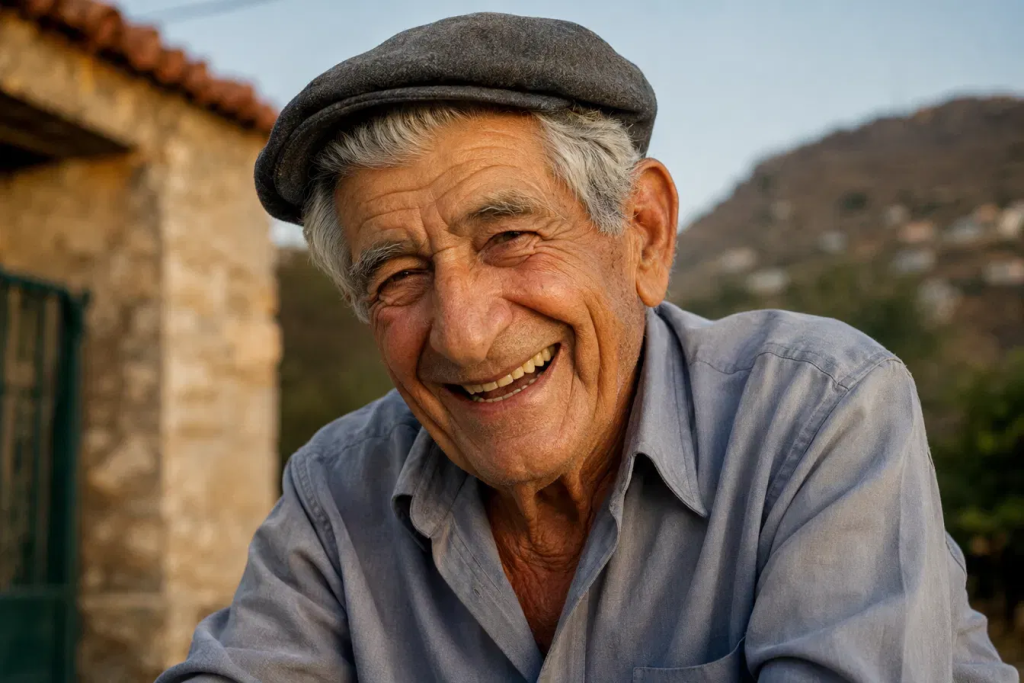
    His name was Yonnie and he was a big fellow. About six feet three and around two hundred pounds. He had a presence when he walked into a room, not because he demanded attention, but because he simply filled the space. He was in his mid-nineties when we visited, and even then, you could see the man he had always been.

    Papou Greek grandfather portrait

    Yonnie was the kind of man who let his wife run the home because he trusted her completely. Zahari knew what the children needed, what the house needed, and what the family needed. He trusted that. Whatever she said they needed, it was there. No questions asked. That kind of trust between a husband and wife is its own kind of love.

    Family First, Always

    Before he married Zahari, Yonnie lived with his father, his sisters, and his brothers. Five grown siblings and their father, all under the same roof. They pooled their money together and they were doing well. That was the Greek way. Family first. Always.

    When his father remarried, the grown children needed to find their own way. Yonnie and his sister Letta stayed together until he was ready to marry. He took his portion of what the family had saved and used it to build a life. A home for himself and Zahari. A foundation.

    A Home Across the Street

    But that was not the end of it. After they married and built their first home, they built a second one. Right across the street. For their daughter, when she married. So she would never be too far away. So the family would stay close.

    That is who Yonnie was. A man who built things. Not just houses. Stability. Closeness. A place where family could always find each other.

    When thinking of him, its clear he was a man who showed love through what he provided and what he protected. He did not need many words. His actions said enough.

    Papou Greek Grandfather: Words for the Men in Your Life

    Here are some Greek words that carry the spirit of Papou.

    EnglishGreekSounds Like
    GrandfatherΠαππούςPa-poo
    ManΆντραςAN-dras
    StrongΔυνατόςThi-na-TOS
    WorkΔουλειάThu-LEIA
    HandsΧέριαHE-rea
    SeaΘάλασσαTHA-la-sa
    MountainΒουνόVoo-NO
    CoffeeΚαφέςKa-FES
    BreadΨωμίPso-MI
    TavernaΤαβέρναTa-VER-na
    OlivesΕλιέςEL-IES

    He is gone now, but the mark he left has not faded.

    The quiet ones leave the boldest marks.

    To learn more about Greek culture and language visit the Greek Language Institute at greek-language.gr

    Get your FREE Greek Phrase Guide eBook.

    Practical Greek Phrases for travelers who want to speak the language.

    Enter your email address to receive your free eBook.

    Subscribe

    * indicates required

    Follow us on TikTok, Threads and Instagram @speakgreek for daily tips!
  • Yia Yia

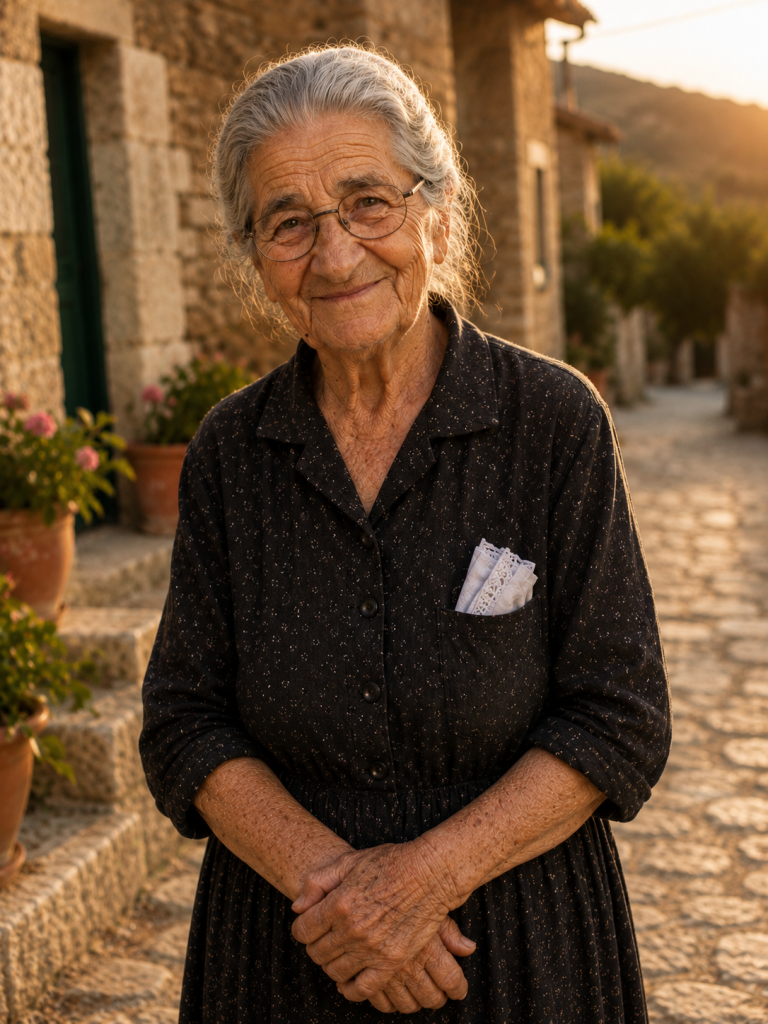
    Yia Yia is the Greek word for grandmother. It is often among the first words a Greek child learns. It means grandmother, but it carries so much more than one meaning, love, warmth, safety, and home. My mother-in-law was my daughter’s Yia Yia grandmother. Her name was Zahari.

    Above all she was small, but mighty, and grew up an orphan. As a young married woman, she worked the farm that belonged to her in-laws, right alongside them. Her hands were big, and her feet were too. A size nine shoe. Hard work in the open fields was something she handled without complaint

    Yia Yia grandmother

    A Yia Yia of Quiet Courage

    During WWII, Zahari and her mother-in-law found a German deserter asleep in their barn. He had fled the army and found a place to hide. He looked thin, worn, starved, and thirsty as well. By all accounts, her mother-in-law sent a couple of farmhands to wake him.

    They could not wake him, probably from exhaustion. Instead, the women left him there. They brought food, water, and a blanket to keep him warm. They did this for three days. On the fourth day, he was gone, moved on safely, they hoped.

    That story says everything about who Zahari was. She saw someone in need, even someone she had every reason to fear, and she helped him anyway. That kind of quiet courage does not ask for anything in return. I think of that story every time I remember visiting her as an older woman.

    A Yia Yia Without Words

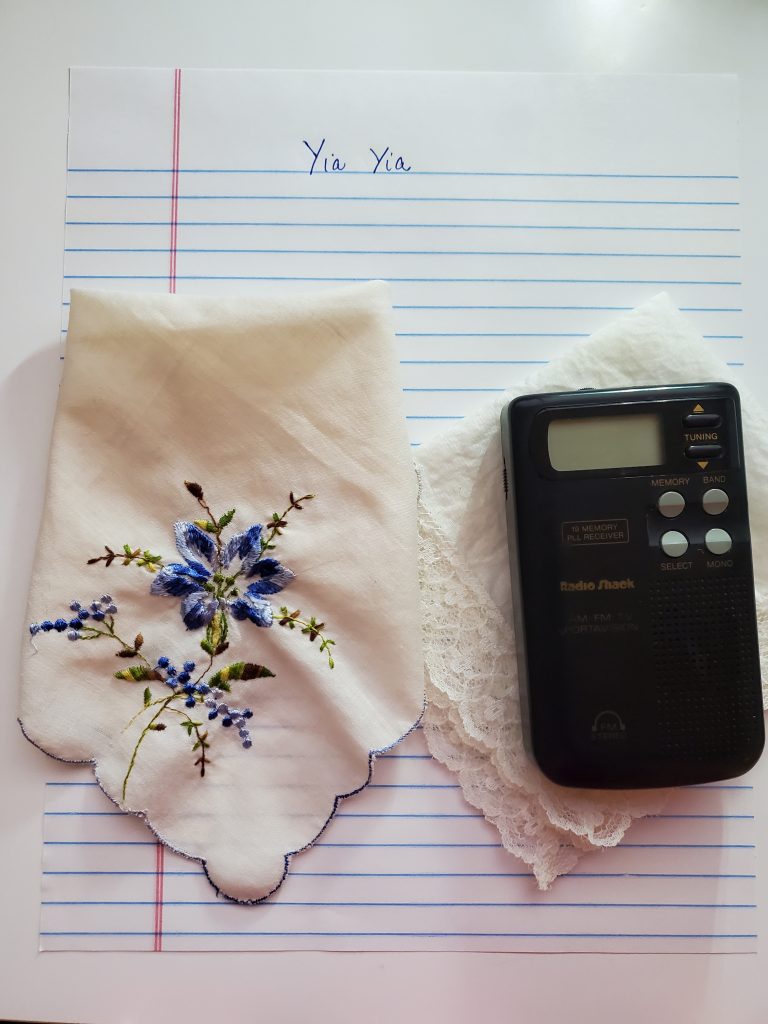
    Even when she was well into her nineties, she had a fresh, clean, pressed hankie tucked into her dress pocket. It seemed like a small thing, but it told me something too. Her care for details. For instance her care for details. Showing up prepared. Being clean and in order, even in her later years, even when no one asked her to.

    When my daughter finally met her grandmother at dinner in Kypseli, no words were needed there was clearly a language barrier between them.

    Neither one could say much to the other because of it. Still, my daughter knew, without any doubt, that she was loved. Still, some things do not need many words. A warm hand, a steady smile, and full attention say enough on their own.

    In fact grandmothers like her carry more than family stories.

    In Greek homes, the Yia Yia often holds the language, the recipes, and the memory of hard times survived. She passes these things down, not always in words, but in the way she lives, and sometimes in the way she loves a child she has just met.

    Zahari has passed now, but her hankies remain. One found its way to my daughter, a small, lasting piece of a woman who was small in size but mighty in heart.

    Greek Family Words

    EnglishGreekSounds Like
    GrandmotherΓιαγιάYa-Ya
    GrandfatherΠαππούςPa-pou
    MotherΜητέραMi-TE-ra
    FatherΠατέραςPa-TE-ras
    SisterΑδερφήA-ther-FI
    BrotherΑδερφόςA-ther-FOS
    AuntΘείαTHE-a
    UncleΘείοςTHE-os
    CousinΞάδερφοςA-ther-fos
    BabyΜωρόMo-RO
    TeacherΔάσκαλοςTHA-ska-los
    NeighborΓείτοναςYE-to-nas

    Zahari did not need the world to know her name. She just lived… fully, quietly, and with open hands. That was enough. That was everything.

    To learn more about Greek culture and language visit the Greek Language Institute at greek-language.gr

    Get your FREE Greek Phrase Guide eBook.

    Practical Greek Phrases for travelers who want to speak the language.

    Enter your email address to receive your free eBook.

    Subscribe

    * indicates required

    Follow us on TikTok, Threads and Instagram @speakgreek for daily tips!
  • Twenty-one to One Hundred in Greek

    count to one hundred in Greek

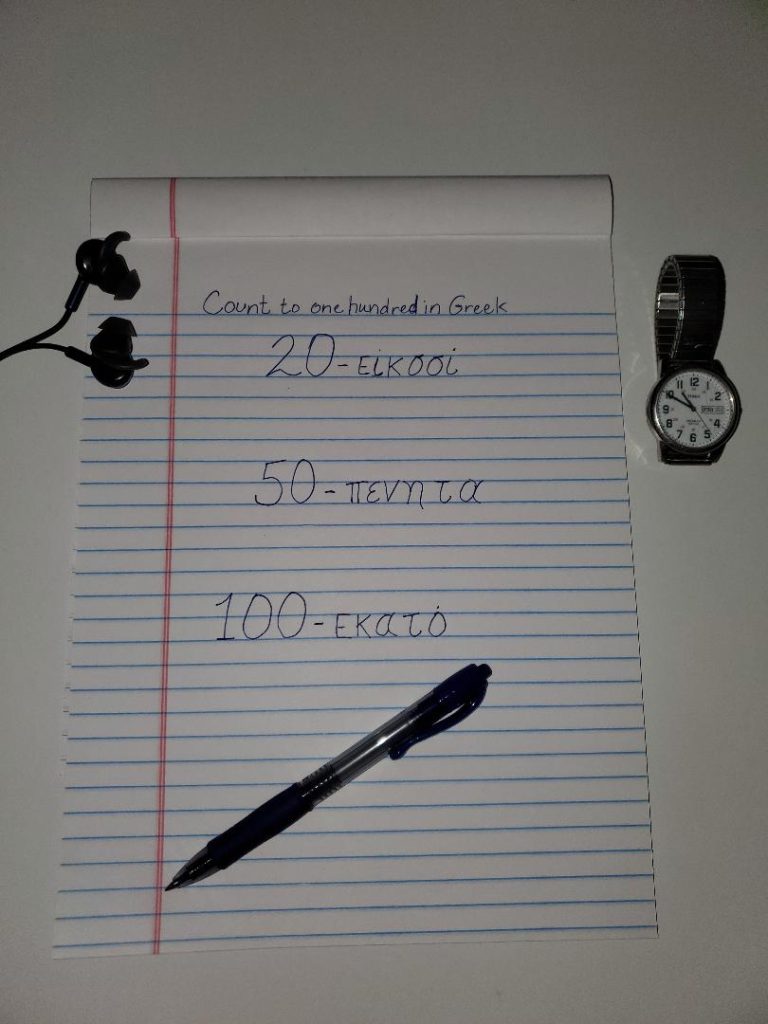
    In this blog, we will learn to count to one hundred in Greek. We will learn how to count from twenty-one all the way to one hundred in Greek.

    You already know one through twenty from Blog #9 and Blog #11. Now it is time to build on that. Once you know how the pattern works, counting higher becomes much easier. Let us dive right in.

    How the Pattern Works

    Greek builds bigger numbers the same simple way English does. You say the tens word first, then the ones right after it.

    For example, twenty-one is είκοσι ένα, which simply means twenty, one. Thirty-five is τριάντα πέντε, thirty, five. Once you see the pattern, you can build almost any number on your own.

    Counting by Tens: Twenty to One Hundred

    Start here. These are the round numbers you need to know first.

    NumberGreekHow to Say It
    20είκοσιe’ko-se
    30τριάνταtreánta
    40σαράνταsaránta
    50πενήνταpenénta
    60εξήνταexénta
    70εβδομήνταevthonénta
    80ογδόνταogthónta
    90ενενήνταenenénta
    100εκατόekató

    Putting It All Together: Twenty-one to Thirty

    Now try building numbers. Say the tens word, then the ones word right after.

    NumberGreekHow to Say It
    21είκοσι έναe’ko-se éna
    22είκοσι δύοe’ko-se théo
    23είκοσι τρίαe’ko-se tréa
    24είκοσι τέσσεραe’ko-se téssera
    25είκοσι πέντεe’ko-se pénte
    26είκοσι έξιe’ko-se éxi
    27είκοσι επτάe’ko-se eptá
    28είκοσι οκτώe’ko-se októ
    29είκοσι εννέαe’ko-se ennéa
    30τριάνταtreánta

    A Few More Examples

    Do you see the pattern? The same rule works all the way to ninety-nine. Here are a few more to practice.

    NumberGreekHow to Say It
    35τριάντα πέντεtriá-nta pénte
    47σαράντα επτάsaránta eptá
    58πενήντα οκτώpenínta októ
    63εξήντα τρίαexínta tréa
    72εβδομήντα δύοevthonénta théo
    84ογδόντα τέσσεραogthónta téssera
    99ενενήντα εννέαenenénta ennéa
    100εκατόekató

    A Quick Note on Sound

    You will notice the Greek letter δ again in words like δύο and δέκα. It still makes that soft “th” sound, just like it did in Blog #9 and Blog #11. Listen closely and copy the soft sound when you practice out loud.

    Why This Matters

    Knowing these numbers opens a big door. You can use them to ask a price at the market, share your age, read a bus number, or understand a phone number. Practice the tens first this week. Then try building a few numbers of your own using the pattern above.

    Once these feel comfortable, you will have covered numbers one through one hundred in Greek. That is a real achievement worth being proud of.

    Want to learn more about the Greek language? Visit the Greek Language Institute at greek-language.gr for more resources.

    And if you want to build on these basics, SpeakGreek will take you further. Real language for real life. One focused session at a time.

    Get your FREE Greek Phrase Guide eBook.

    Practical Greek Phrases for travelers who want to speak the language.

    Enter your email address to receive your free eBook.

    Subscribe

    * indicates required

    Follow us on TikTok, Threads, and Instagram @speakgreek for daily tips!
  • Counting From Eleven to Twenty in Greek

    eleven to twenty in Greek

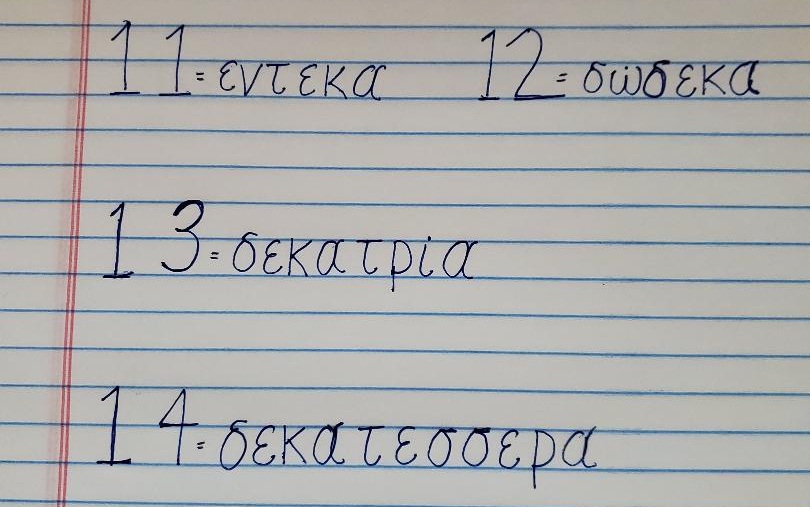
    In this blog, we will learn eleven to twenty in Greek. Building on what we’ve covered.

    You already learned one through ten in Blog #9, and you put those numbers to work with money in Blog #10. Now it is time to go a little higher. Let us dive right in.

    Eleven to Twenty

    Once you know one through ten, the teens are easy. Greek builds them from smaller numbers. It works the same way English builds “thirteen” from “three.” Say each number out loud. Try to hear the smaller number hiding inside the bigger one.

    NumberGreekHow to Say It
    11έντεκαénteka
    12δώδεκαthótheka
    13δεκατρίαthekatría
    14δεκατέσσεραthekatéssera
    15δεκαπέντεthekapénte
    16δεκαέξιthekaéxi
    17δεκαεπτάthekaeptá
    18δεκαοκτώthekaoktó
    19δεκαεννέαthekaennéa
    20είκοσιíkosi

    A Quick Note on Sound

    The Greek letter δ still makes a soft “th” sound here, just like it did in Blog #9. Many of these number words are spelled with a “d” in English letters. But they sound softer when a Greek speaker says them.

    Why This Matters

    Numbers are a small part of the language, but they open a big door. You can use them to tell your age, count a group of people, or set a time to meet a friend. Practice these ten new numbers every day this week. Once they feel easy and natural, you will know all the numbers from one to twenty.

    Want to learn more about the Greek language? Visit the Greek Language Institute at greek-language.gr for more resources.

    And if you want to build on these basics, SpeakGreek will take you further. Real language for real life. One focused session at a time.

    Get your FREE Greek Phrase Guide eBook.

    Practical Greek Phrases for travelers who want to speak the language.

    Enter your email address to receive your free eBook.

    Subscribe

    * indicates required

    Follow us on TikTok, Threads, and Instagram @speakgreek for daily tips!

  • Numbers and Money in Greek

    Greek numbers and money

    Greece uses the euro, and numbers and money in Greek go hand in hand. Now that you know the numbers one through ten, start using them to talk about money. I’ll show you how in this post.

    The Euro Basics

    The word for euro in Greek is ευρώ. You say it like “evró.” The euro splits into 100 cents, called λεπτά, or “leptá.”

    Asking the Price

    When asking how much something costs, say: Πόσο κάνει; It sounds like “póso káni?” This phrase means “how much does it cost?”

    Numbers and Money in Greek: Prices in Action

    You already learned the basics in our post on Counting to Ten in Greek.

    Here are the numbers one through ten paired with euros. Practice saying each price out loud.

    PriceGreekHow to Say It
    1 euroένα ευρώéna evró
    2 eurosδύο ευρώthío evró
    3 eurosτρία ευρώtría evró
    4 eurosτέσσερα ευρώtéssera evró
    5 eurosπέντε ευρώpénte evró
    6 eurosέξι ευρώéxi evró
    7 eurosεπτά ευρώeptá evró
    8 eurosοκτώ ευρώoktó evró
    9 eurosεννέα ευρώennéa evró
    10 eurosδέκα ευρώthéka evró

    Why Say This

    Numbers and money go hand in hand. The next time you order coffee or buy fresh bread in Greece, you can ask the price and understand the answer. Repeat these phrases, again and again, along with the numbers from our last lesson.

    Practicing Numbers and Money in Greek

    The best way to learn numbers and money in Greek is to practice out loud, every day. Try asking a friend or family member to quiz you on prices. Say the number, then the price, then the full phrase, “Πόσο κάνει;” Repetition is what makes these words stick. Before your next trip, or your next conversation with a Greek-speaking relative, you will be ready to talk about money with confidence.

    And if you want to build on these basics, SpeakGreek will take you further. Real language for real life. One focused session at a time.

    Get your FREE Greek Phrase Guide eBook.

    Practical Greek Phrases for travelers who want to speak the language.

    Enter your email address to receive your free eBook.

    Subscribe

    * indicates required

    Follow us on TikTok, Threads, and Instagram @speakgreek for daily tips!
  • Counting to Ten in Greek

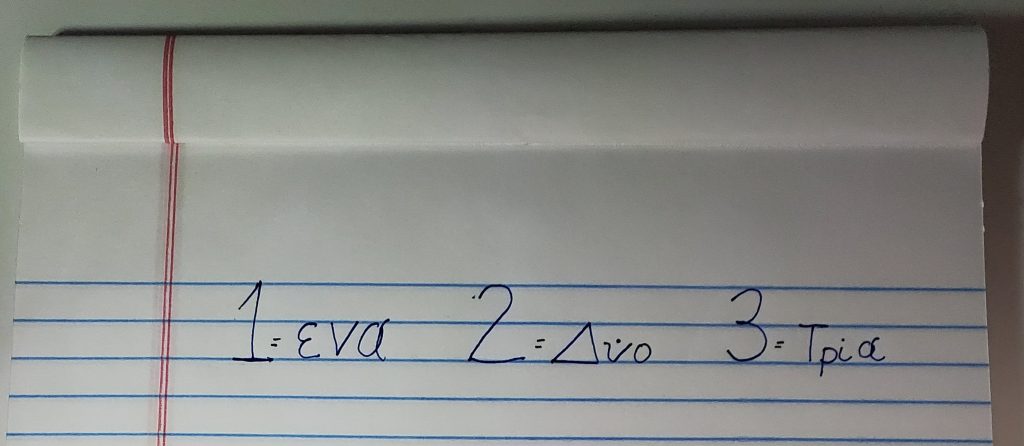
    In this blog, we will master how to count to ten in Greek.

    Let us crack the code by saying them out loud or to ourselves. Numbers are ever present. They are used to count money, tell time, and speak of age. Now, let’s dive right in.

    One to Ten

    Say each number out loud. Repeating the word over and over makes the word stick. Try counting on your fingers as you go.

    NumberGreekHow to Say It
    1έναéna
    2δύοthío
    3τρίαtría
    4τέσσεραtéssera
    5πέντεpénte
    6έξιéxi
    7επτάeptá
    8οκτώoktó
    9εννέαennéa
    10δέκαthéka

    Helpful Tip

    Here is a tip that helps. Say the numbers in order every morning when you wake up. One through ten takes less than thirty seconds. Do it while you brush your teeth or make your coffee. Small habits like this build real results over time. Before long these ten numbers will feel as natural as breathing. You will not even have to think about them.

    A Quick Note on Sound

    The Greek letter δ makes a soft “th” sound, like the “th” in the word “this.” That is why the word for ten is spelled with a “d” in English letters, but it sounds softer when a native speaker says it. Listen closely, and try to copy the soft sound.

    If you missed our last lesson check out our post on Counting Your Money in Greece.

    Why This Matters

    Numbers are a small part of the language, but they open a big door. You can use them to ask a price, tell your age, or count the people at your table. Practice these ten numbers every day this week. Once they feel easy, we will build on them with our next blog, eleven through twenty.

    Want to learn more about the Greek language? Visit the Greek Language Institute at greek-language.gr for more resources.

    And if you want to build on these basics, SpeakGreek will take you further. Real language for real life. One focused session at a time.

    Get your FREE Greek Phrase Guide eBook.

    Practical Greek Phrases for travelers who want to speak the language.

    Enter your email address to receive your free eBook.

    Subscribe

    * indicates required

    Follow us on TikTok, Threads, and Instagram @speakgreek for daily tips!
  • Dinner for Six in Kypseli

    The night didn’t need a big reason. It only needed a table for six. And we found it at Kypseli Kalamaki. Boy was it packed. The food looked mouth watering on the menu. Have you ever looked at a menu and decided you’re coming back because there were several meals you wanted to try? This was my first time ever feeling this way. And I’m glad I did.

    First, let me tell you about Kypseli. It is a cozy neighborhood in Athens, and it sits just north of the city center.

    Old buildings line the streets. Plants spill over the balconies. Neighbors call out to each other from across the road. The souvlaki shops here have fed families for many years.

    Because of all this, the whole place feels like a warm hug. So it was the perfect spot for our family night.

    We walked to the restaurant slowly, taking in the sights along the way. Little shops were still open. Bakeries filled the air with the smell of the day’s bread. Cafés buzzed with people finishing their coffee. Every corner seemed to have its own story to tell.

    By the time we reached the restaurant, we were more than ready to sit down. The tables outside were simple, with paper napkins and small baskets for bread. But somehow, that simple setup made everything feel even more welcoming. You can read more about this charming Athens neighborhood on Visit Greece’s official tourism site.

    Around the Table

    Six of us sat down together. We pulled our chairs close. Nobody needed to look at the menu for long, because we all knew what we wanted:

    My husband and I, sitting side by side

    Our daughter, watching everything with big, happy eyes. Excited to meet her grandmother and cousins for the first time.

    Two brothers, my husband’s nephews. They are his sister’s sons, and they are full of energy! One is 30 years old, and the other is 32. The older one of them, David serves in the Greek army, so it was extra special to have him home with us.

    Their cousin, who made their group a trio. She was excited to be around adults that were kind and made her feel welcomed to be in their presence.

    Grandmother, my mother-in-law, the heart of our table. She is grandmother to the two brothers. She is also grandmother to our daughter. One woman, loving two branches of our family at once.

    Six people with happy hearts. One table that felt just right.

    Once we sat down, the two brothers were so excited to be next to their uncle. They leaned in and talked with him about everything. The banter between them tickled me.

    Then, they made sure to include everyone else too. They asked our daughter questions. They laughed with their cousin. Because of them, the whole table joined in one big, happy conversation, full of laughter.

    The brothers had so much to share. One of them talked about his life in the Greek army, and how good it felt to be home for a few days. His brother teased him about missing home-cooked meals, and everyone laughed along with them.

    My husband is the native Greek speaker in our family, so he became our translator for the night. Because of him, everyone understood each other. Words moved easily between Greek and English, and the laughter never stopped.

    Even when a joke didn’t translate perfectly, it didn’t matter. Everyone still laughed together, because laughter needs no translation at all.

    Meanwhile, something extra special was happening. This was the first time Grandmother was meeting her only granddaughter. Out of six grandchildren, this is her one and only granddaughter.

    Our daughter is eight years old, and my mother-in-law’s face lit up the moment she saw her. She held her hand and smiled the whole night. It was a sweet moment for everyone at the table.

    Grandmother kept looking over at our daughter, like she couldn’t believe this moment was finally here. She asked her questions slowly, and my husband helped translate each answer. Every time our daughter smiled, Grandmother’s whole face lit up even more.

    It was the moment I knew I will remember for a long, long time.

    What We Ate

    Souvlaki over lemon rice, with a feta cheese, cucumber, and tomato salad. That’s what my husband and I had. It was comforting and satisfying. It tasted like my husband made it.

    The souvlaki came off the grill still warm, with a smoky smell that made our mouths water before it even reached the table. The rice underneath soaked up all the juices, and the salad on the side was crisp and cool.

    Pizza for the brothers and their cousin, because nothing brings cousins together like a big pizza and lots of laughs.

    Honestly, this pizza was better than any pizza we have ever had back in the States. Every bite tasted fresh and full of flavor. We asked for a little bit of a thicker crust and it could be a little crispy, the cheese was melted just right.

    Fish with a salad for Grandmother, simple and lovely, just like her. It was the catch of the day, so it was as fresh as fish can get.

    You could tell the fish had been pulled from the water not long before it reached our table. My mother-in-law has lived long enough to know the difference at 93 yrs old. She ate slowly, savoring every bite, the way someone does when they truly love their food.

    The food that night was exceptional. Every dish felt like it was made with care, and you could taste the difference. The food made on two different continents tastes totally different, even when it is the same meal being prepared.

    Even the bread on our table was the day’s bread, baked fresh that late afternoon. We tore off pieces and passed the basket around, and it barely lasted before someone asked for more.

    What Kypseli Gave Us

    By now, the heat of the day had passed. The evening air felt soft and light.

    Because of this, families filled the streets and tables all around us. Husbands and wives sat together. The laugh of small children filled the air. Babies slept in their strollers nearby. The whole neighborhood felt alive with families just like ours.

    It was very new for me to see so many families out in the evening like this. Mothers, fathers, children, grandmothers, and grandfathers were all walking together, laughing and eating side by side.

    After dinner, children licked away at ice cream cones while their parents strolled along beside them. Back home, I’ve never seen evenings like this before, whole families out on the city streets, walking and laughing together. Here, it seemed to be just a normal part of the day and lives.

    I found myself watching these families longer than I meant to. There was something so simple and so beautiful about it. Nobody seemed to be in a rush to get home. Nobody seemed tied to a phone or a screen. They were just together, walking slowly, enjoying each other’s company under the evening sky.

    Dinner in Kypseli always feels slow and easy. Scooters buzz by. Neighbors chat on their balconies above us. None of it feels rushed. Instead, it all just adds to the warm feeling of the night.

    Grandmother told a story we had heard before. Still, we listened like it was brand new.

    Meanwhile, the brothers teased each other between bites of pizza. Our daughter soaked it all in, the noise, the love, and the comfort of being with family.

    Every so often, someone would raise a glass and thank the night for bringing us all together. Then the conversation would start right back up again, louder and happier than before.

    We stayed out until about 11:45 pm, soaking up every last minute. Then, finally, we made our way home, walking through the door around 12:30 am.

    Heading Home for the Night

    After dinner, we took a taxi over to my mother-in-law’s house, where she lives with her husband, my husband’s father. He is about 94 or 95 yrs old. This is also where the two brothers live, with their grandparents.

    It made sense once we thought about it. Grandmother cooks for the whole family, so having everyone close by keeps the family fed and together. It’s a simple kind of arrangement, but it works, and it clearly keeps this family close in every sense of the word.

    For the night, we stayed at a hotel called the President’s Hotel. It was the perfect place to rest after such a full evening.

    The room was quiet and comfortable, a nice contrast to the lively streets we had just left behind. We fell into bed with full stomachs and full hearts, still smiling about the night.

    Tomorrow, we will catch the train to Patra, ready for the next stop on our trip.

    But tonight, we will fall asleep thinking about the laughter, the good food, and the sweet moment between a grandmother and her granddaughter, meeting for the very first time.

    In the end, six of us shared this night. Three generations. One grandmother holding our whole family together.

    And now, one more special bond, between a grandmother and her granddaughter, just beginning. It was a table full of good food, shared slowly.

    That’s the whole story. Simple. Warm. The kind of night I hope we get to have again and again.

    If you’re just starting your Greek journey, check out our first lessons on SpeakGreek before diving into this story.

    That’s the whole story of our Greek family dinner in Kypseli.Simple. Warm. The kind of night I hope we get to have again and again.

    Get your FREE Greek Phrase Guide eBook.

    Practical Greek Phrases for travelers who want to speak the language.

    Enter your email address to receive your free eBook.

    Subscribe

    * indicates required

    Follow us on TikTok, Threads, and Instagram @speakgreek for daily tips!
  • Counting Your Money in Greece

    Before You Go… Consider This

    Planning a trip to Greece? Counting money and knowing a few key phrases before you leave the house will make your whole trip smoother. 

    Count your money before you go. Know what you plan to spend. Also, know what you expect to get back in change.

    It sounds simple. But it makes a real difference when you are in a foreign country and everything feels new.

    Furthermore, if you know a few Greek numbers and money phrases on top of that, you’ll feel confident every step of the way. For more about traveling in Greece, visit visitgreece.gr

    Greece Uses the Euro

    Greece is part of the European Union, so the currency is the Euro. Coins come in 1, 2, 5, 10, 20, and 50 cent denominations. Notes come in 5, 10, 20, 50, and 100 Euros.

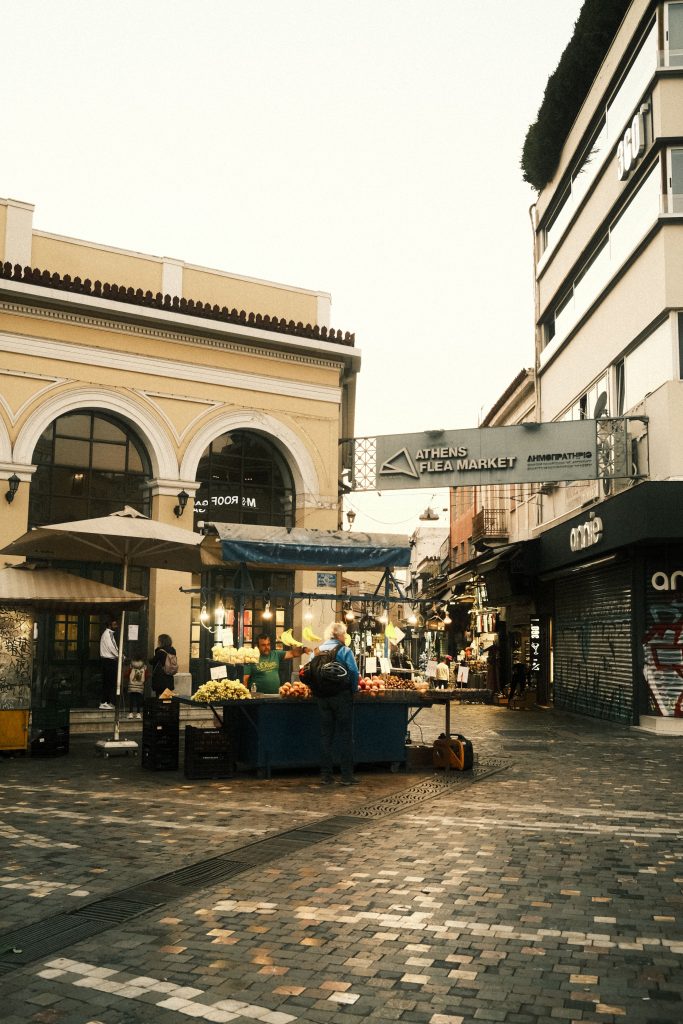
    Most shops and restaurants in tourist areas accept credit cards. However, smaller markets and local vendors often prefer cash. That’s why it’s always smart to carry some euros with you, just in case.

    Getting Ready With Numbers and Phrases

    Start with these numbers. First, they will help you understand prices and count your change.

    NumberGreekSounds Like
    1ΈναE-na
    2ΔύοDI-o
    3ΤρίαTRI-a
    4ΤέσσεραTES-se-ra
    5ΠέντεPEN-de
    6ΈξιEX-i
    7Εφτάef-TA
    8Οχτώoch-TO
    9Εννιάen-YA
    10ΔέκαDE-ka
    11ΈντεκαEN-de-ka
    12ΔώδεκαDO-de-ka
    13Δεκατρίαde-ka-TRI-a
    14Δεκατέσσεραde-ka-TES-se-ra
    15Δεκαπέντεde-ka-PEN-de
    20ΕίκοσI-ko-si
    50Πενήνταpe-NIN-da
    100Εκατόe-ka-TO

    Money Phrases Worth Knowing

    These phrases will help you shop, eat and pay with confidence.

    GreekSounds LikeEnglish
    Πόσο κάνει;PO-so KA-ni?How much does it cost?
    Τον λογαριασμό παρακαλώ!Ton lo-ga-ria-SMO pa-ra-ka-LO!The bill please!
    Έχετε ρέστα;E-he-te RES-ta?Do you have change?
    Είναι πολύ ακριβόI-ne po-LI a-kri-VOThat is too expensive
    Μπορείτε να κάνετε έκπτωση;Bo-RI-te na KA-ne-te EK-pto-si?Can you give a discount?
    Θα πάρω αυτόTha PA-ro af-TOI will take this
    Πληρώνω με κάρταPli-RO-no me KAR-taI am paying by card
    Πληρώνω μετρητάPli-RO-no met-ri-TAI am paying cash

    Bargaining at the Market

    At outdoor markets in Greece, prices are not always fixed. In fact, a little friendly negotiation is perfectly normal and often expected.

    The key is to be warm and respectful about it. After all, Greeks appreciate a good-natured exchange far more than someone who seems demanding.

    Here is a simple approach that works well:

    First, ask the price: Poso kanei? Then smile and say Einai poly akrivo, that is too expensive. Next, ask politely: Borite na kanete ekptosi? Can you give a discount?

    Often a vendor will meet you somewhere in the middle. And even if they don’t, the friendly exchange usually leaves both sides smiling.

    One important thing to remember: if a vendor agrees on a price, then always follow through and buy. Otherwise, walking away after agreeing on a price is considered rude in Greek culture.

    A Few Helpful Bargaining Tips

    Here are some practical things to keep in mind when shopping and dining in Greece.

    First, always check your change before you walk away. Mistakes happen, and it’s much easier to sort out right away than after you’ve left the shop.

    Also, when eating out, the bill does not come automatically in Greece. Your server will not bring it until you ask. Simply say Ton logariasmo parakalo and they will bring it right over.

    Staying Safe and Confident

    Tipping is appreciated but not required. In addition, rounding up the bill or leaving a small amount is a kind and common practice.

    At busy tourist markets, keep your cash in a secure pocket or bag. Like any popular destination, it’s wise to be aware of your surroundings.

    Finally, don’t worry about being perfect with the language. After all, most vendors in tourist areas speak some English. So, your effort to use even a few Greek words will be noticed and appreciated.

    Know Before You Go

    Now that you have the numbers and the phrases, you are ready.

    Count your money before you leave the house. Know your budget. Also, carry some cash. And use a few Greek phrases when you get there.

    That combination will make your market visits and dining experiences far more enjoyable and stress-free.

    Want to learn more? Read our post on Greek phrases that could save your life.

    And if you want to build on these basics, SpeakGreek will take you further. Real language for real life. One focused session at a time.

    Get your FREE Greek Phrase Guide eBook.

    Practical Greek Phrases for travelers who want to speak the language.

    Enter your email address to receive your free eBook.

    Subscribe

    * indicates required

    Follow us on TikTok, Threads, and Instagram @speakgreek for daily tips!